
 By Henry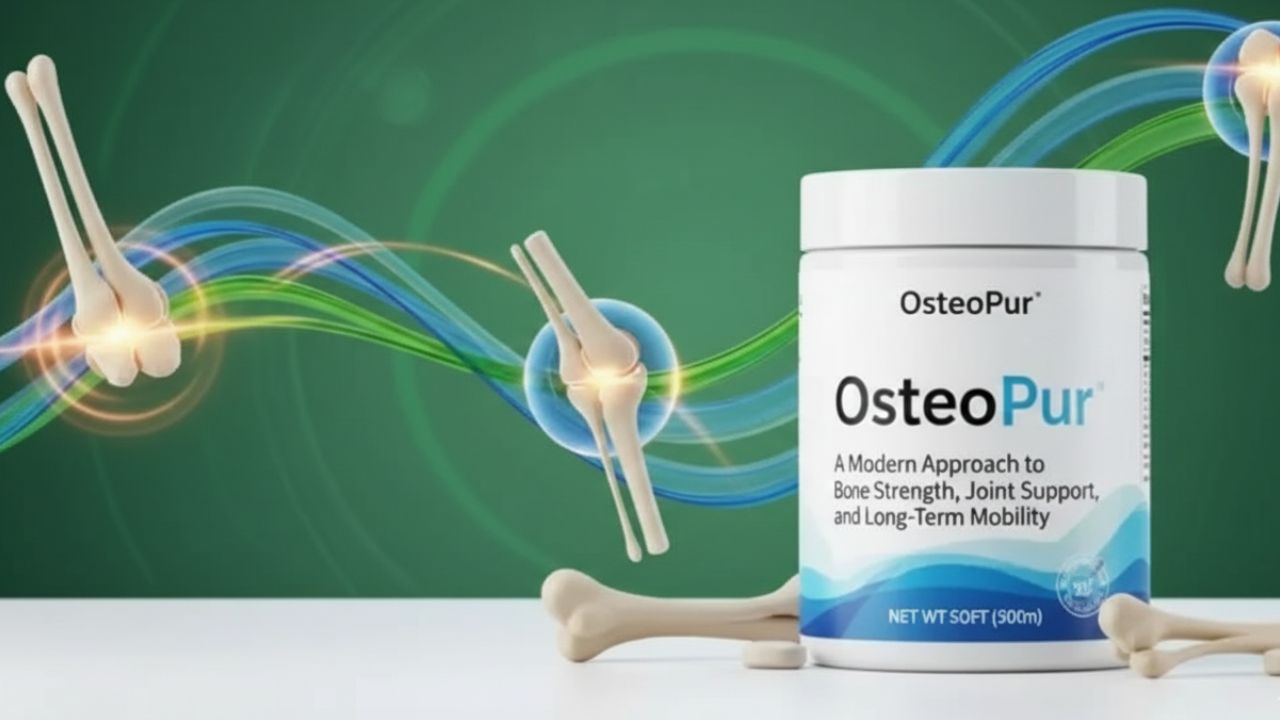
Have you ever wondered why your bones feel a bit more creaky as the years go by, or how something as simple as a daily supplement could make a real difference? Osteopur, a plant-based powerhouse for skeletal health, is stepping into the spotlight for those seeking natural ways to bolster bone mineral density and ward off concerns like osteoporosis.
- Osteopur offers a synergistic blend of bioavailable calcium, vitamins D3 and K2, magnesium, and trace minerals, making it a go-to for natural bone support without synthetic fillers.
- Research suggests this combination can enhance calcium absorption and direct it to bones, potentially reducing fracture risks, though individual results vary based on lifestyle and health factors.
- It’s particularly appealing for post-menopausal women and athletes, addressing joint mobility and bone remodeling in a gentle, holistic manner.
- While promising, experts emphasize combining Osteopur with an alkaline diet and exercise for optimal osteoporosis prevention, acknowledging debates around supplement efficacy versus whole-food sources.
Osteopur isn’t just another calcium pill—it’s designed with bioavailability in mind, meaning your body can actually use the nutrients effectively. Unlike basic supplements, it harnesses the vitamin D3 and K2 synergy to guide calcium where it’s needed most: your bones, not your arteries. This approach feels empathetic to those worried about long-term health, offering a natural alternative that aligns with plant-based lifestyles.
From improving bone mineral density to supporting joint mobility, Osteopur addresses common anxieties around aging bones. It’s formulated to aid in bone remodeling, the natural process where old bone tissue is replaced with new. For health-conscious adults over 40, this can mean better resilience against everyday stresses, like a tough workout or hormonal shifts.
If you’re curious about how to take Osteopur for best results, start with the recommended dose—typically 1-3 capsules daily with meals. Pair it with sunlight exposure or vitamin-rich foods for that extra boost. Always chat with a healthcare provider, especially if you’re managing conditions like osteopenia.
Imagine standing tall and moving freely well into your golden years—that’s the promise of prioritizing skeletal health today. In this ultimate guide to Osteopur, we’ll dive deep into how this plant-based supplement can be your ally in strengthening bones naturally. Whether you’re a post-menopausal woman navigating hormonal changes, an athlete pushing your limits, or simply someone interested in holistic wellness, understanding Osteopur’s role in bone mineral density and osteoporosis prevention can empower you to make informed choices. Let’s explore the science, ingredients, and practical tips, all while keeping things relatable and grounded in real-world advice.
Osteopur is a premium, plant-based supplement crafted to support bone and joint health through a carefully balanced formula. Unlike traditional options that might rely on isolated nutrients, Osteopur emphasizes synergy—think of it as a team of players working together rather than a solo act. Sourced from natural elements like marine algae for calcium and fermented sources for vitamins, it’s designed for those who prefer holistic or plant-based supplementation. As we age, our bones undergo constant remodeling, and Osteopur aims to tip the scales in favor of strength and density.
For instance, if you’ve ever felt that twinge in your knees after a long day, Osteopur addresses those concerns by filling nutritional gaps that diet alone might miss. It’s not a miracle cure, but rather a supportive tool in your wellness toolkit. And with the rise of interest in natural supplements for osteopenia, products like Osteopur are gaining traction for their clean profiles.
At its core, Osteopur leverages the power of bioavailable calcium paired with key vitamins and minerals. Calcium is the building block of bones, but without proper absorption, it’s like pouring water into a leaky bucket. That’s where vitamin D3 steps in, enhancing uptake in the intestines, while vitamin K2 directs it to the bones, preventing unwanted buildup elsewhere. Studies show this D3 and K2 synergy can improve bone mineral density and reduce fracture risks, making it a smart choice for osteoporosis prevention.
Moreover, trace minerals like magnesium, zinc, and boron play supporting roles in bone remodeling and collagen formation. Magnesium, for example, activates vitamin D and balances electrolytes, contributing to overall skeletal resilience. In one study from the Journal of Bone and Mineral Research, participants with adequate calcium, D3, and magnesium intake saw up to 25% fewer fractures. This isn’t just theory; real users report better joint mobility and energy, though results depend on consistent use and lifestyle factors.
To visualize this, consider a simple chart describing the nutrient roles:
| Nutrient | Role in Bone Health | Source in Osteopur |
|---|---|---|
| Bioavailable Calcium | Builds bone structure and density | Marine algae or natural hydroxyapatite |
| Vitamin D3 | Boosts calcium absorption | Plant-derived or fermented |
| Vitamin K2 (MK-7) | Directs calcium to bones, supports cardiovascular health | Fermented sources |
| Magnesium | Aids in bone mineralization and vitamin activation | Citrate form for better uptake |
| Trace Minerals (Zinc, Boron) | Supports collagen and reduces inflammation | Natural mineral blends |
This table highlights how Osteopur’s ingredients work in harmony, offering a edge over single-nutrient options.
Diving into the specifics, Osteopur’s formula typically includes calcium from sustainable sources like red marine algae, which is more absorbable than rock-based synthetics. Add in vitamin D3 for that absorption boost, and K2 to ensure proper placement—it’s like having a GPS for your minerals. Some versions incorporate antioxidants from green tea or turmeric to combat oxidative stress on bones.
For post-menopausal bone support, this mix is particularly valuable, as hormonal shifts can accelerate bone loss. Plant-based supplements like Osteopur provide a gentle alternative, avoiding the digestive woes sometimes linked to synthetic versions. And let’s address a common myth: You don’t need dairy for strong bones; alkaline-rich foods and supplements can fill the gap effectively.
When comparing Osteopur to synthetic supplements, the differences shine through. Synthetic calcium, often from limestone or oyster shells, can be harder to absorb and may cause constipation or kidney strain. In contrast, Osteopur’s plant-based calcium boasts higher bioavailability, meaning more gets used by your body.
Here’s a comparison table to break it down:
| Aspect | Osteopur (Natural) | Synthetic Alternatives |
|---|---|---|
| Absorption Rate | High, due to natural forms and synergies | Moderate, often requires higher doses |
| Additional Nutrients | Includes D3, K2, trace minerals for full support | Often isolated calcium only |
| Side Effects | Minimal, gentle on digestion | Possible bloating, constipation |
| Suitability for Plant-Based Diets | Ideal, no animal derivatives | Varies, some from animal sources |
| Long-Term Benefits | Supports bone remodeling and joint mobility | Primarily addresses deficiency, less holistic |
Research leans toward natural options for sustained skeletal health, especially in preventing osteopenia. For athletes, this means better recovery without the heaviness of synthetics.
Consistency is key when incorporating Osteopur. Aim for 1-3 capsules daily, preferably with meals to enhance absorption—perhaps with a smoothie packed with leafy greens for that alkaline diet boost. Hydrate well, and combine with weight-bearing exercises like walking or yoga to stimulate bone growth.
For optimal outcomes, track your progress: Note energy levels or joint comfort after a month. If you’re exploring Osteopur for post-menopausal bone support, pair it with hormone-friendly foods like soy or flaxseeds. Remember, it’s about building habits that feel sustainable, not overhauling your life overnight.
The benefits often outweigh the risks, with users reporting stronger bones and improved mobility. However, mild side effects like temporary digestive discomfort can occur as your body adjusts. These are rare, especially compared to synthetics, but consult a doctor if you have kidney issues or take medications.
On the flip side, the perks include better bone mineral density, reduced inflammation, and even cardiovascular support from K2. It’s a balanced trade-off for those committed to natural wellness.
This supplement shines for health-conscious adults aged 40+, post-menopausal women facing bone loss, and athletes needing joint support. If you’re into plant-based supplements, it’s a natural fit. Even if your diet is solid, factors like limited sun exposure can create gaps that Osteopur fills.
That said, it’s not for everyone—kids or those with certain conditions should seek advice. For osteoporosis prevention, it’s a proactive step, but always alongside medical checkups.
An alkaline diet—rich in fruits, veggies, and nuts—complements Osteopur beautifully, helping maintain pH balance for better mineral absorption. Think kale smoothies or almond milk lattes. This duo supports bone remodeling and counters acidity from processed foods.
Add in habits like daily walks, and you’re setting the stage for lasting skeletal health. It’s about small, empathetic changes that honor your body’s needs.
What are the main Osteopur ingredients for bone health?
Osteopur typically features bioavailable calcium from algae, vitamins D3 and K2 for synergy, magnesium, and trace minerals like zinc and boron to support density and remodeling.
How does Osteopur help with osteoporosis prevention?
By enhancing calcium absorption and directing it to bones, it may reduce fracture risks, though it’s most effective with diet and exercise.
Are there any Osteopur side effects?
Mild digestive issues are possible initially, but it’s generally well-tolerated due to natural sourcing.
Is Osteopur the best organic calcium supplement in 2025?
It’s a top contender for plant-based options, offering superior bioavailability compared to many synthetics.
Can Osteopur improve joint mobility?
Yes, through minerals that support collagen and reduce inflammation, making it great for athletes.
How does Osteopur compare to other natural supplements for osteopenia?
Its multi-nutrient approach provides broader support than single-ingredient options, with better absorption.
Is Osteopur suitable for post-menopausal bone support?
Absolutely, as it addresses hormonal-related bone loss with targeted nutrients.