
 By Henry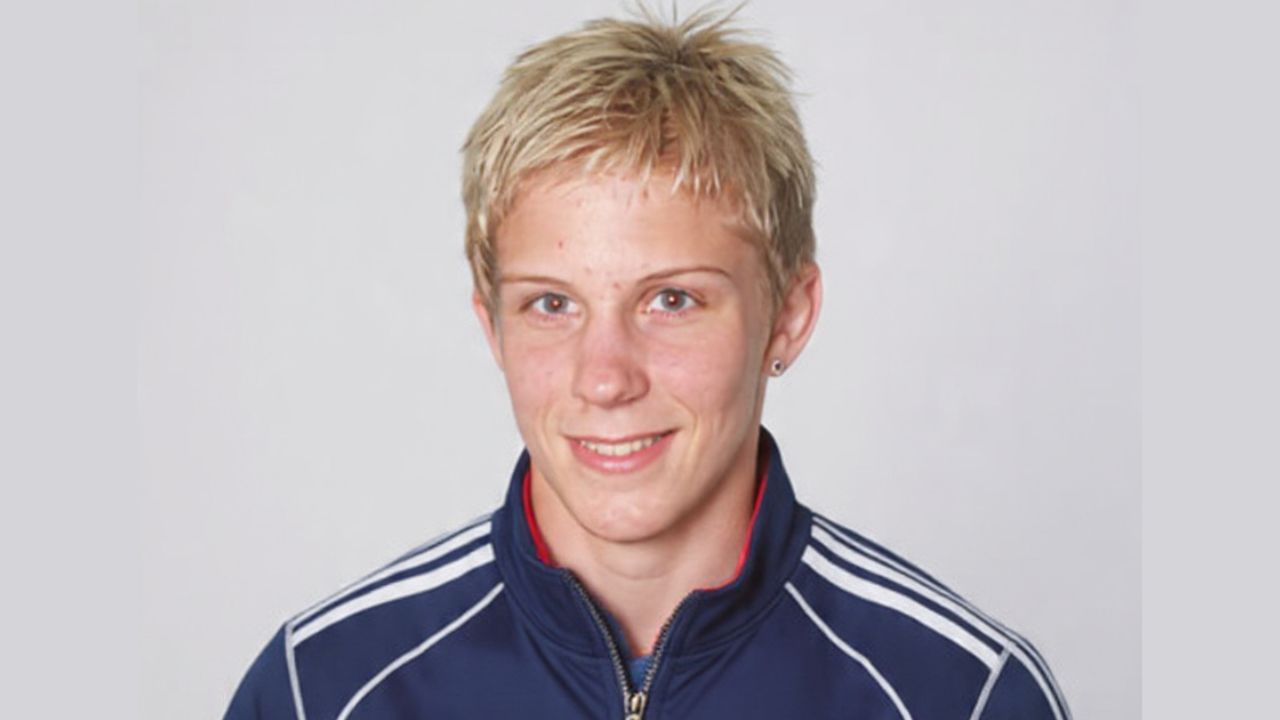
Ann Simons is a retired Belgian judoka best known for capturing a bronze medal at the 2000 Sydney Olympics in the women’s -48 kg category. Her story blends raw athletic talent, quiet determination, and a successful transition to a new chapter after sport. Whether you are a judo fan or simply curious about athletes who thrive long after their competitive days end, Ann Simons biography offers inspiration about perseverance, overcoming injury, and redefining success.
Celebrity Profile Summary
| Attribute | Details |
|---|---|
| Full Name | Ann Simons |
| Also Known As / Nicknames | None publicly used |
| Date of Birth / Age | 5 August 1980 (age 45) |
| Birthplace / Hometown | Tongeren, Belgium (grew up in Gellik/Lanaken area) |
| Nationality | Belgian |
| Primary Occupation | Retired judoka; lecturer and coach |
| Other Roles | Author, entrepreneur coach, former marketing professional |
| Genres / Fields | Judo (competitive sport) |
| Active Years | Approximately 1996–2006 |
| Breakthrough Year | 1998–2000 (European junior success and Olympic bronze) |
| Notable Works | 2000 Olympic bronze medal; multiple European Championship medals |
| Awards & Honors | Olympic bronze (2000); 3× European Championship bronze (1999, 2001, 2003); European Junior Champion (1999); 5–8× Belgian national champion |
| Relationship Status | Private (no public details available) |
| Children | Not publicly known |
| Education & Training | Studied economics; specialized judo training from age 5 |
| Official Social Media Handles | None publicly prominent |
| Estimated Net Worth | Not publicly disclosed (private professional career) |
Ann Simons was born on 5 August 1980 in the historic town of Tongeren in the Limburg province of Belgium. She grew up in the nearby Gellik/Lanaken area, where everyday life mixed small-town values with a strong community spirit. Like many future athletes, she discovered her passion early. She stepped onto the judo mat at just five years old and quickly showed natural talent and discipline.
Her family background remains private, but the supportive environment in Belgium’s judo scene helped shape her. Judo taught her respect, focus, and resilience from a young age—qualities that would carry her through intense competition and later life challenges.
While many young athletes focus only on sport, Ann balanced training with academics. She competed at the junior level in the late 1990s, winning gold at the 1999 European Junior Championships in Rome and bronze at the 1998 event in Bucharest. These early wins built her confidence and opened doors to the senior circuit.
She trained with the Lommel Maasmechelen Judoclub Gellik and represented Belgium internationally. Her first major senior breakthrough came in 1999 when she earned bronze at the European Championships in Bratislava. That same year she helped Belgium’s team win gold at the European Team Championships. These results proved she belonged among Europe’s elite.
First Breakthrough: Ann’s big moment arrived at the 2000 Sydney Olympics. Competing in the -48 kg division, she fought her way to the bronze medal match and secured victory. The medal made her one of Belgium’s standout performers that Games and brought national pride to a country with a proud but smaller judo tradition.
Growth Phase / Major Projects: Between 1999 and 2003 she collected three European Championship bronze medals (Bratislava 1999, Paris 2001, Düsseldorf 2003). She also claimed multiple World Cup golds and consistently dominated Belgian nationals, earning five to eight senior titles depending on how junior and senior events are counted. In 2005 she finished fifth at the World Championships in Cairo, showing her consistency at the highest level.
Iconic Moments & Turning Points: The Sydney Olympic podium stands as her career highlight. She also contributed to team successes, including a bronze at the 2000 European Team Championships. These team events highlighted her role as a reliable anchor for Belgium.
Collaborations / Partnerships: Ann worked closely with Belgian judo coaches and clubs throughout her career. Her club affiliation with Lommel Maasmechelen provided steady support and training partners.
Accolades & Critical Reception: Belgian media and the judo community praised her technical skill, fighting spirit, and sportsmanship. Her Olympic bronze remains a landmark achievement for Belgian women’s judo.
Success on the mat came at a cost. Persistent knee problems forced Ann to retire in 2006. The injury not only ended her competitive career but also led to ongoing chronic lower back pain that she has managed for years. Instead of letting setbacks define her, she turned them into lessons. She has spoken openly about the importance of seeking professional help for pain and the mental challenges athletes face when leaving sport.
In 2017 she publicly addressed issues of sexual intimidation within the judo world, using her platform to push for a safer environment for athletes. This move showed courage and a desire to improve the sport she loved.
Her transition to civilian life involved studying economics and building a new professional identity. She worked in marketing at Belgium’s public broadcaster VRT (including Sporza and Radio 1) before becoming a lecturer in Applied Psychology and Personal Development at Hogeschool PXL in Hasselt. She has also coached starting entrepreneurs and explored business opportunities, possibly in ICT.
Ann Simons keeps her personal life very private. No public information is available about relationships, marriage, or children. She focuses her public presence on professional and coaching roles rather than celebrity spotlight.
Outside judo she has authored the book De zachte weg (The Gentle Path), which reflects her philosophy of personal growth and softer approaches to challenges. She remains active in guiding new entrepreneurs and shares insights from her athletic journey with students and young professionals. Her work emphasizes resilience, self-awareness, and finding balance—values she developed through years on the mat.
Exact figures for Ann Simons net worth are not publicly available. Unlike high-profile athletes in major global sports, most judo competitors earn modest income from sponsorships, national federation support, and prize money. After retirement she built a stable career in education, media marketing, and coaching. Her roles as a lecturer and entrepreneur coach provide professional fulfillment rather than massive wealth. Any estimates would be speculative, so reliable sources simply note that her post-sport success comes from skills and education rather than public fame or endorsements.
- She began judo at age five and never looked back.
- Even after retirement she carries lessons from the sport, including a lingering awareness of weight management that many former lightweight athletes experience.
- In a 2020 interview she discussed how former judokas often thrive in business and ICT fields because of the discipline and problem-solving skills the sport instills.
- Her book De zachte weg explores gentler paths to personal development, showing how she applies judo philosophy beyond competition.
Ann once reflected on the mental side of sport by noting the need for support systems—both during competition and in the difficult transition afterward. While direct quotes are limited in English-language sources, her actions speak volumes about quiet strength and lifelong learning.
What makes Ann Simons famous?
She is best known as a Belgian Olympic judoka who won bronze in the -48 kg category at the 2000 Sydney Games. Her European medals and national titles also cemented her place in Belgian sports history.
How did Ann Simons get her start in judo?
She started training at age five in her local club in the Gellik area near Tongeren. Early junior success quickly led to international competitions.
What are Ann Simons biggest achievements?
Her Olympic bronze medal tops the list, followed by three European Championship bronzes, a European Junior title, and multiple Belgian national championships.
When did Ann Simons retire and why?
She retired in 2006 because of a persistent knee injury that affected her ability to compete at the highest level.
What does Ann Simons do now?
She works as a lecturer in Applied Psychology and Personal Development at Hogeschool PXL in Hasselt. She also coaches entrepreneurs, authored a book, and stays connected to personal growth themes.
Is Ann Simons active on social media?
She does not maintain a prominent public social media presence. Her work is shared more through professional and academic channels.
Where is Ann Simons now?
She lives and works in Belgium, primarily in the Antwerp and Hasselt areas, focusing on education and coaching.
You May Also Like: Trey Kulley Majors Biography: Life Beyond the Spotlight as Lee Majors’ Son and Surfboard Craftsman
 Hove Team