
 By Henry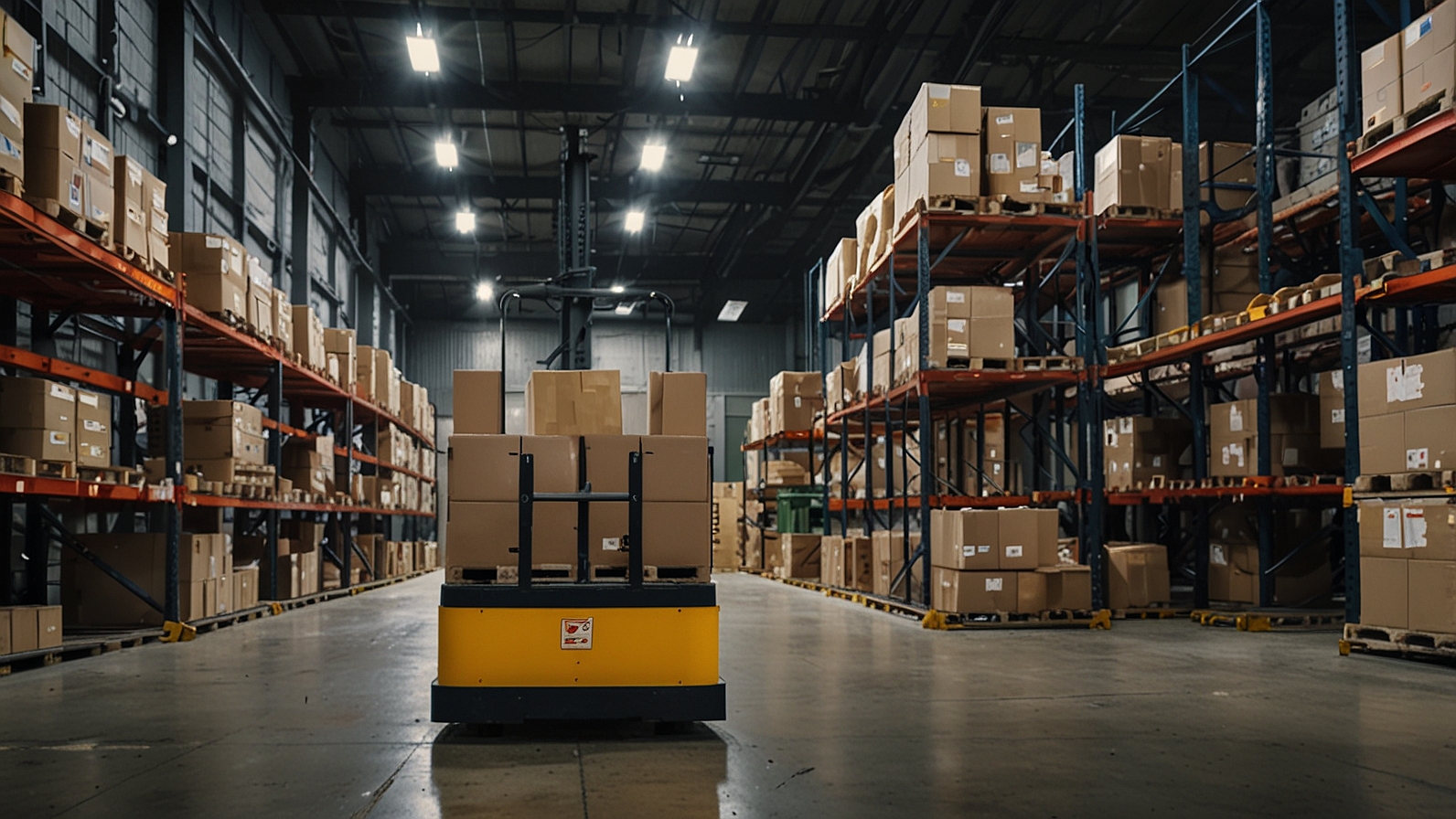
Imagine a warehouse where inventory restocks itself just in time, procurement happens with a few clicks, and your entire supply chain adapts to market shifts without endless meetings or spreadsheets. This isn’t science fiction, it’s the reality of plg supplies in action, transforming how businesses handle everything from raw materials to final delivery.
Key Points:
- Research suggests plg supplies, rooted in product-led growth principles, can reduce operational costs by up to 25% while boosting efficiency through user-centric tools and automation.
- It seems likely that small businesses benefit most from plg supplies, with easier implementation leading to faster e-commerce growth and lower overhead.
- Evidence leans toward plg supplies fostering sustainability, like optimized routes cutting emissions, though adoption varies by industry and requires addressing integration challenges.
- While promising, plg supplies spark debate on data privacy in shared networks, yet proponents highlight its role in building resilient, customer-focused operations.
What Are PLG Supplies? PLG supplies blend product-led growth (PLG) strategies with supply chain management, putting the “product” (your software or tools) at the center to drive user adoption and efficiency. Think of it like a self-service app for procurement: users onboard quickly, see value fast, and scale without heavy sales involvement. This approach makes supply chains more agile, using SaaS logistics for things like automated replenishment and real-time tracking.
Core Benefits From supply chain optimization to digital transformation, plg supplies cut customer acquisition costs by letting the system “sell” itself through intuitive features. For instance, inventory management software under this model predicts needs, reducing stockouts and waste. It’s practical for logistics directors aiming for operational efficiency without overhauling everything overnight.
Getting Started Transitioning to plg supplies models starts with assessing your current setup, then piloting tools like self-service onboarding platforms. Case studies from 2024 show e-commerce firms slashing overhead by 40% via these shifts. Consult resources like NYSHEX for ocean freight examples.
Imagine a warehouse where inventory restocks itself just in time, procurement happens with a few clicks, and your entire supply chain adapts to market shifts without endless meetings or spreadsheets. This isn’t science fiction, it’s the reality of plg supplies in action, transforming how businesses handle everything from raw materials to final delivery. As supply chain managers and SaaS founders know, traditional operations often bog down in bureaucracy, but plg supplies offer a fresh path, blending product-led growth with practical logistics to create user-centric systems that feel intuitive and exciting.
In this guide, we’ll explore how plg supplies are shaking up the industry, from core concepts to real-world wins. Whether you’re a procurement specialist eyeing digital transformation or a logistics director hunting for operational efficiency, you’ll find actionable insights here. Let’s dive in, like chatting over coffee about turning your supply chain into a growth engine.
Picture this: Your team spends less time chasing vendors and more on strategic moves, thanks to automated replenishment that predicts stock needs before they become crises. That’s the essence of plg supplies, a term that captures product-led growth applied to supply chain optimization. At its heart, product-led growth flips the script from sales-driven models to ones where the software or tool itself draws users in, delivers quick wins, and encourages expansion.
In supply chains, this means shifting to SaaS logistics platforms where users (think buyers, warehouse staff) can self-onboard, customize workflows, and scale operations without constant hand-holding. According to industry insights, this approach can slash customer acquisition costs by focusing on seamless experiences rather than pricey marketing. For small businesses, the benefits of plg supplies shine brightest: quicker e-commerce growth, fewer overheads, and tools that grow with you. But even large enterprises are jumping in, using it for inventory management software that integrates IoT for real-time data.
The timing couldn’t be better. With global disruptions like those in 2024 highlighting vulnerabilities, plg supplies provide resilience through user-centric procurement. They address common doubts, like “Will this complicate my setup?” by starting simple, often with free trials that prove value fast.
Product-led growth, or PLG, isn’t just for tech startups anymore, it’s infiltrating logistics and procurement. Traditionally, supply chains relied on top-down decisions and lengthy contracts. PLG changes that by making the “product” (say, a procurement platform) the star, letting users discover its value organically.
In plg supplies, this translates to self-service onboarding where teams set up accounts, link suppliers, and start optimizing without sales reps. It’s like Netflix recommending shows based on your habits, but for inventory: algorithms suggest replenishments, reducing waste and costs. Digital transformation consultants love this because it creates a self-sustaining loop of supply and demand, where data from one cycle informs the next.
Take automated replenishment as an example. Sensors track stock levels, triggering orders automatically, which cuts manual errors and speeds things up. This ties into supply chain optimization, where predictive analytics forecast disruptions, like delays from weather or tariffs. The result? Operational efficiency that feels effortless, with lower customer acquisition costs since happy users spread the word.
But let’s address a hidden question: Is this only for tech-savvy firms? Not at all. Even traditional distributors are implementing plg supplies in distribution centers, starting small with one module, like inventory tracking, and expanding as value builds.
Small businesses often juggle tight budgets and rapid changes, making plg supplies a game-changer. Imagine cutting overhead by 30% through smarter procurement, no more overstocking or last-minute rushes. Key perks include:
- Lower Costs: Bulk pricing and automated tools reduce expenses, with some firms reporting 25% savings on logistics.
- Faster Growth: For e-commerce, plg supplies enable quick scaling, like integrating with Shopify for seamless orders.
- User-Friendly Tools: Self-service features mean less training, more productivity.
A real example? A boutique online retailer in 2024 switched to plg supplies software, reducing stockouts by 50% and boosting sales. It’s practical: Start with free tiers of inventory management software, test the waters, and watch efficiency soar.
Getting started with plg supplies doesn’t require a massive overhaul. Think of it as upgrading your bike to an e-bike: smoother, faster, but still familiar. Here’s a step-by-step roadmap:
- Assess Your Needs: Map current pain points, like slow procurement or excess inventory.
- Choose Tools: Opt for best software for plg supplies, such as platforms with AI forecasting (e.g., RELEX or similar).
- Pilot and Scale: Roll out in one area, like distribution, then expand.
- Measure Success: Track metrics like delivery times and costs.
Common doubts? Integration fears. But modern SaaS logistics play nice with existing ERPs, often via APIs. For distribution, this means real-time tracking that cuts delays, turning your network into a well-oiled machine.
Overhead eats profits, but plg supplies tackle it head-on. By automating routine tasks, like order processing, you free up staff for high-value work. In user-centric procurement, portals let buyers handle everything themselves, slashing admin time.
Consider this table comparing traditional vs. plg supplies models:
| Aspect | Traditional Model | PLG Supplies Model |
|---|---|---|
| Procurement Time | Days to weeks | Minutes to hours |
| Inventory Accuracy | 80-90% | 98%+ |
| Overhead Costs | High (manual labor, errors) | Low (automation, predictions) |
| Scalability | Limited by staff | Unlimited via self-service |
This shift not only reduces costs but boosts morale, as teams focus on innovation. For e-commerce growth, it’s golden: Faster fulfillment means happier customers and repeat business.
E-commerce thrives on speed, and plg supplies deliver. Picture automated replenishment syncing with sales data, ensuring you never miss a peak season rush. This model supports digital transformation by integrating with platforms like Amazon or Shopify, optimizing everything from warehousing to last-mile delivery.
Benefits include lower customer acquisition costs (users love intuitive tools) and better inventory management. A 2024 case study from a mid-sized e-tailer showed 35% growth after adopting plg supplies, thanks to reduced stockouts and faster onboarding. It’s exciting: Your supply chain becomes a competitive edge, not a bottleneck.
Choosing the right tools is key. Top picks include:
- NYSHEX: Great for ocean freight, boosting contract fulfillment to 99%.
- SVT Robotics: Focuses on robotics integration for warehouses.
- Parallel Domain: Expands to supply chain via product-led strategies.
Look for features like AI analytics and mobile apps. Free trials let you test, aligning with PLG’s try-before-buy ethos.
Switching models? Start gradual. Evaluate vendors, train teams on self-service tools, and monitor KPIs. Challenges like data silos? Address with integrated SaaS. Success stories abound: A manufacturing firm cut downtime by 40% post-transition.
Real wins make the case. In 2024, a Fortune 500 automotive company used plg supplies to reduce downtime by 40% via predictive deliveries. A medical manufacturer slashed errors by 80% with smart storage. Heavy industry improved efficiency by 60% across continents. NYSHEX helped logistics firms achieve 100% exception resolution. These examples show plg supplies driving tangible results, from cost savings to sustainability.
PLG supplies aren’t just a trend, they’re a roadmap to efficient, user-centric operations. Start small: Audit your chain, trial a tool, and measure gains. Three tips to try today: Implement automated alerts for low stock, explore self-service portals, and analyze data for forecasts.
What supply chain challenge keeps you up at night? Share in the comments, or reach out for a consult. Let’s make logistics exciting again.
You May Also Like: How to Prevent Gazumping: Practical Tips for Savvy Homebuyers
What exactly are plg supplies?
PLG supplies apply product-led growth to supply chains, using intuitive software for self-service procurement and automation.
How do plg supplies benefit small businesses?
They reduce overhead, enable quick scaling, and lower costs through efficient inventory and procurement tools.
What’s the best software for plg supplies?
Options like NYSHEX for logistics and SVT Robotics for warehousing stand out for their user-centric features.
Can plg supplies help with sustainability?
Yes, by optimizing routes and reducing waste, they support eco-friendly practices and ESG goals.
How to implement plg supplies in e-commerce?
Start with integration into platforms like Shopify, focusing on automated replenishment for growth.
Are there case studies for plg supplies in 2024?
Absolutely, including automotive firms cutting downtime by 40% and medical suppliers reducing errors by 80%.
Does transitioning to plg supplies require big changes?
Not necessarily: Phased rollouts minimize disruption while building value.