
 By Henry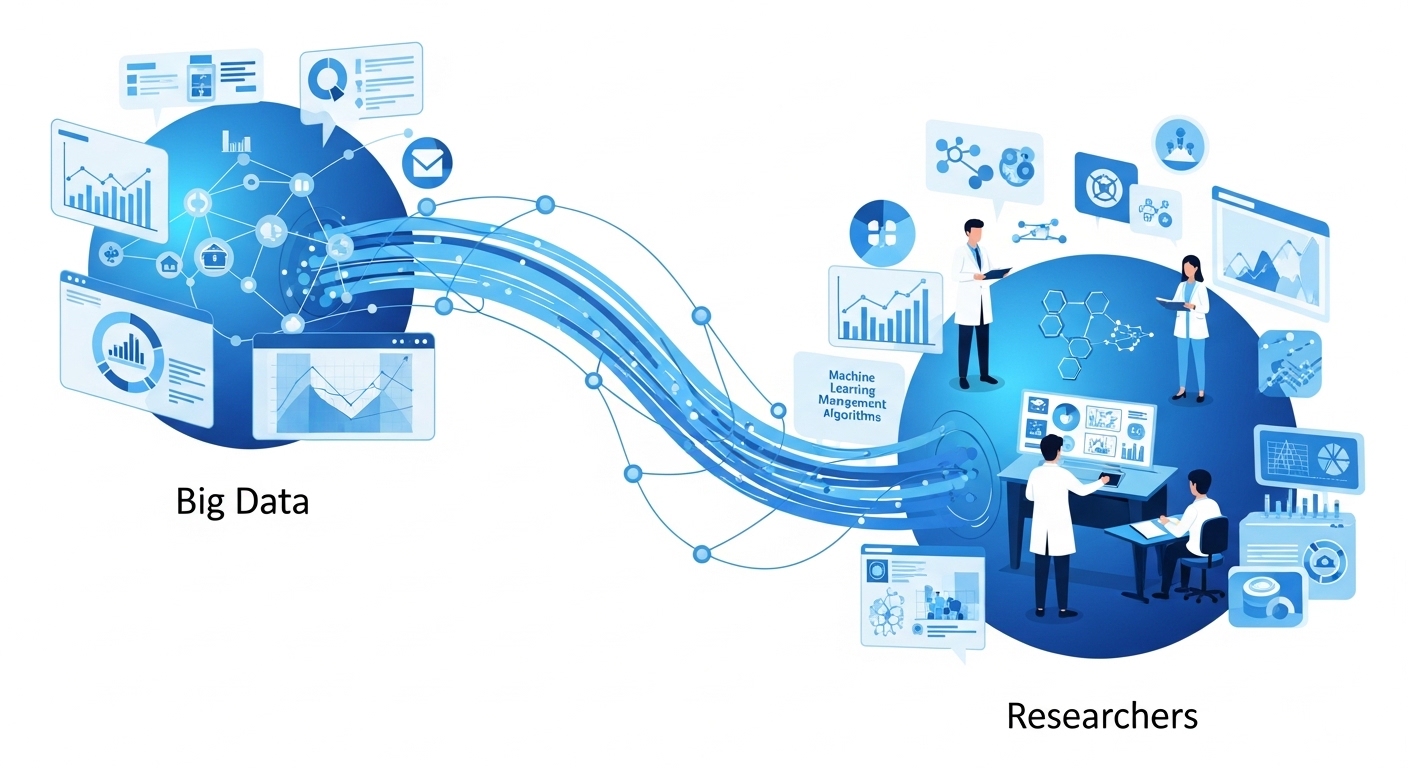
Imagine a world where your patients health data tells a complete story. Not just snapshots from occasional office visits, but a continuous narrative that reveals patterns, predicts risks, and guides personalized interventions. This is the reality that fiebrigen is building right now.
For healthcare professionals juggling overflowing caseloads, researchers hunting for meaningful data patterns, and patients hoping for care that actually understands them the current system feels broken. Clinical research moves too slowly. Patient monitoring happens in fragments. And the human stories behind the data get lost in translation.
Fiebrigen health technology solutions bridge this gap. They transform how we capture, analyze, and act on health information. But what exactly makes this approach different? And why should clinicians, researchers, and patients pay attention?
Healthcare generates massive amounts of data. Electronic health records, wearable devices, imaging studies, lab results the list grows daily. Yet most of this information sits in silos. It rarely talks across systems. And it almost never provides the kind of real-time intelligence that could transform patient care.
Here is the challenge: traditional clinical research relies on periodic data points. A patient visits a clinic, provides a sample, completes a questionnaire. Weeks or months later, another data point appears. What happens in between remains invisible.
Clinical trial innovation requires a better approach. Researchers need continuous data streams that capture the full patient experience. They need tools that spot deterioration before it becomes critical. And they need platforms that make this feasible at scale without burying clinicians in alerts.
This is precisely where fiebrigen enters the picture.
At its core, fiebrigen represents a fundamental shift in how we think about health data collection and analysis. Rather than treating remote monitoring as a nice to have add on, the platform embeds intelligence directly into the data capture process.
The platform includes several key components that work together seamlessly:
- Medical grade sensors that connect wirelessly to capture vital signs and physiological data
- A mobile application that guides users through assessments with real time feedback
- Cloud based analytics that process information and identify concerning patterns
- Clinical dashboards that present actionable insights to care teams
What makes this different from standard remote monitoring tools? The intelligence layer. When a community health worker uses the system to assess a patient, the app evaluates data quality instantly. It prompts for repeat measurements if readings seem unreliable. It calculates early warning scores automatically. And it flags cases needing immediate attention.
Think of it as having a specialist standing next to every caregiver, offering guidance and catching subtle changes that human eyes might miss.
The proof of any health technology lies in real world results. Recent studies using AI guided platforms similar to fiebrigen demonstrate what is possible when technology amplifies human capacity.
Consider a 10 month program conducted in one of Mumbais most underserved communities. Community health workers used an AI guided platform to conduct child health assessments. The results were striking:
- Illness episodes treated within the community jumped from 4 percent to 76 percent
- Costly private doctor consultations fell from 82 percent to 19 percent
- Hospital consultations dropped to just 7 percent from 34 percent
The program generated a 13 fold social return on every rupee invested. For about six pounds per child annually, communities gained access to care that previously required facility visits.
This is patient-centric research in action. Not research that pulls patients into academic medical centers for convenience. But research that meets people where they live, work, and heal.
Collecting data creates little value by itself. The magic happens when information transforms into action. Health data analytics within the fiebrigen ecosystem focuses on clinical utility above all else.
The platform automatically calculates early warning scores based on national standards like NEWS2. But it also learns individual patient baselines. What looks abnormal for one person might represent typical readings for another. The system accounts for these differences, reducing alert fatigue while catching genuine deterioration.
For clinicians managing virtual wards or monitoring complex patients at home, this intelligence proves invaluable. Instead of scrolling through pages of vital signs, they see prioritized lists. Patients needing immediate review appear at the top. Stable individuals remain in the background until something changes.
One care home staff member described the impact simply: “It helps to reduce the stress and anxiety of the resident, reassures staff they are making the right decisions and helps us to articulate information to the GP”.
Remote patient monitoring has existed for years. But most solutions focus on simple data transmission. Patients take readings, the data flows to a portal, and someone reviews it eventually. This model works for stable chronic disease management but fails for patients with complex or acute conditions.
Fiebrigen takes a different approach. The platform supports hospital level assessments at home. This includes not just vital signs but also physical examinations like stethoscope recordings that clinicians can review remotely.
Continuous monitoring enables early detection of deterioration. When patterns shift, automated triage alerts reach the right team members. Patients avoid unnecessary hospital admissions. And when admissions do occur, they happen earlier in the deterioration curve when interventions work best.
The benefits extend beyond clinical outcomes. Patients recover in familiar environments. Families remain engaged in care. And the healthcare system preserves acute beds for those who truly need them.
Discussions of medical artificial intelligence often trigger anxiety about machines replacing clinicians. The fiebrigen philosophy takes a more nuanced view. AI exists to augment human judgment, not replace it.
Consider how the platform supports community health workers with limited clinical training. The app guides them through structured assessments, ensuring nothing gets missed. It evaluates data quality in real time, prompting repeats when necessary. And it provides decision support that helps workers determine which patients need immediate referral versus ongoing monitoring.
This democratization of clinical capacity matters tremendously. In underserved communities worldwide, specialist physicians remain scarce. By extending their reach through AI guided tools, health systems deliver better care to more people.
Dr. Elina Naydenova, CEO and co founder of a similar platform, explained: “This study demonstrates the transformative potential of virtual care technology in tackling healthcare inequalities. We hope this powerful evidence will encourage public health leaders across the world to scale community led healthcare programmes, with technology playing an important role in augmenting the workforce and advancing universal access”.
No digital health platform exists in isolation. Hospitals use electronic health records. Primary care practices maintain their own systems. Specialists rely on niche software for their domains. For any new tool to succeed, it must connect with this existing infrastructure.
Healthcare interoperability sits at the center of the fiebrigen design philosophy. The platform supports integration with major electronic health record systems through standards like FHIR APIs. This means data flows both ways. Patient information from the platform populates clinical records. And existing patient data informs baselines and alerts within the monitoring system.
For clinicians, this seamless integration eliminates duplicate data entry. Information captured during remote assessments appears automatically in the records they already use. Adoption becomes easier. Workflows remain familiar. And patients benefit from care teams working from complete, up to date information.
The promise of precision medicine has captivated healthcare for decades. Tailor treatments to individual patients based on their unique characteristics. Move beyond one size fits all protocols. Deliver the right intervention to the right person at the right time.
But precision requires data. Lots of it. And not just genomic data or lab values, but continuous data about how patients respond to treatments in real world settings.
Real world evidence generated through platforms like fiebrigen fuels precision medicine advancement. When researchers analyze continuous monitoring data from thousands of patients, patterns emerge. Certain patient subgroups respond differently to specific interventions. Early warning signs predict deterioration days before traditional triggers activate. And social determinants of health reveal themselves through engagement patterns and environmental data.
This evidence shapes more effective clinical trials. Investigators design studies targeting patients most likely to benefit. They monitor responses continuously rather than waiting for scheduled assessments. And they adapt protocols based on emerging data through innovative trial designs.
Pharmaceutical companies and biotech firms invest billions developing new therapies. But their understanding of how those therapies perform in real world settings remains limited. Traditional post marketing surveillance relies on spontaneous adverse event reports and occasional registry studies.
Biotech infrastructure built around continuous monitoring platforms transforms this landscape. Companies gain visibility into how patients actually respond to their products. They spot safety signals earlier. They identify subgroups with exceptional responses. And they generate the real world evidence that payers increasingly demand for coverage decisions.
This infrastructure also accelerates clinical trial recruitment and execution. Instead of requiring frequent site visits, trials incorporate remote monitoring. Patients participate from home, reducing burden and improving retention. Sites manage larger populations with fewer resources. And data quality improves through automated validation at the point of capture.
For researchers considering implementing fiebrigen in clinical trials, the practical benefits deserve attention. Traditional trials follow rigid schedules. Patients visit sites at specific intervals. Data gets collected, cleaned, and analyzed months later.
Continuous monitoring transforms this model. Trials capture data continuously, revealing patterns that intermittent assessments miss. Safety monitoring happens in real time. Adaptive trial designs respond to emerging data. And patient reported outcomes integrate with objective physiological measurements.
The platform supports various deployment models depending on trial requirements:
- Fully remote monitoring with devices shipped directly to patients
- Hybrid approaches combining home monitoring with periodic site visits
- Community based models leveraging local health workers for in person support
Each approach maintains data quality through AI guided collection protocols. Patients and caregivers receive real time feedback ensuring measurements meet clinical standards. And investigators access dashboards showing data completeness and quality metrics across their trial population.
Healthcare data demands the highest security standards. Patients share sensitive information trusting it will remain protected. Regulations impose serious consequences for breaches. And reputational damage from security lapses lasts years.
Fiebrigen data security standards reflect this reality. The platform encrypts data both in transit and at rest. Role based access controls ensure only authorized individuals view sensitive information. And audit logs track every access event for compliance purposes.
The platform architecture follows modern security best practices. Hosting on AWS infrastructure provides enterprise grade physical security and redundancy. Regular penetration testing identifies potential vulnerabilities before they become problems. And data sanitization processes ensure complete removal when contracts end.
For organizations subject to strict regulatory requirements, these security measures provide confidence. Patient data remains protected. Compliance obligations get met. And the innovation continues.
Clinicians already spend too much time on documentation. Adding another system requiring duplicate data entry simply wont work. Integrating fiebrigen with electronic health records addresses this reality directly.
The platform supports multiple integration approaches:
- FHIR APIs enabling bidirectional data exchange
- Direct integration with major UK systems like EMIS and SystmOne
- Custom integration options for unique enterprise requirements
- PDF exports for manual upload when automated integration isnt available
This flexibility means organizations choose the approach matching their technical capabilities and regulatory requirements. Small practices export summaries for manual upload. Large health systems build automated bidirectional exchanges. Everyone gets the data they need without disrupting existing workflows.
Healthcare professionals rightfully demand evidence before adopting new technologies. Promising theory matters less than proven results. The research supporting AI guided community health platforms continues growing.
A study published in PLOS Digital Health examined one such platform’s impact in underserved communities. Beyond the community treatment improvements mentioned earlier, the research documented significant quality gains. Community health workers using AI guidance captured clinical grade data despite limited formal training. Referrals reached appropriate specialists faster. And patients received care days or weeks earlier than traditional pathways allowed.
Dr. Melissa Medvedev, senior author of the study, noted: “This study provides compelling evidence to support the role of AI guided digital health technology in improving healthcare access and delivery in the community setting. This has important implications for expanding care to rural and underserved populations, with the potential to reduce health inequities in both low and high income contexts”.
Researchers exploring benefits of fiebrigen for researchers will find multiple advantages over traditional data collection methods.
First, data quality improves dramatically. Automated validation at the point of capture reduces errors and missing values. Instead of cleaning messy data months after collection, researchers access clean data continuously throughout studies.
Second, patient populations expand. Remote monitoring enables participation from patients who cannot easily visit research sites. Rural populations gain access. Patients with mobility limitations enroll successfully. And diverse populations become represented in research that previously excluded them.
Third, operational costs decrease. Fewer site visits mean less travel reimbursement. Automated data collection reduces coordinator workload. And real time monitoring catches problems early when fixes cost least.
Fourth, longitudinal data reveals new insights. Traditional trials capture snapshots. Continuous monitoring captures the full movie, revealing patterns invisible to intermittent assessment.
The applications for fiebrigen for remote health monitoring extend across clinical domains. Virtual wards monitor patients recovering at home who would otherwise remain hospitalized. Care homes use the platform to support residents with complex needs, reducing unnecessary emergency transfers. Community teams reach patients in their homes, bringing specialist assessment without requiring clinic visits.
Each use case leverages the same core capabilities adapted to specific workflows. The platform configures to match condition specific pathways. Alert thresholds adjust based on patient baselines. And reporting focuses on outcomes relevant to each population.
One general practitioner described the impact: “Feebris is a great tool supporting more patient centred care. It has provided timely data to inform clinical decision making in my practice and reduced A&E admissions as result”.
Patients experience the benefits of how fiebrigen improves patient care in deeply personal ways. Instead of traveling to clinics while feeling unwell, they receive care at home. Instead of repeating their stories to multiple providers, their data travels seamlessly between care teams. Instead of waiting for deterioration to become obvious, subtle changes trigger early interventions.
For family caregivers, the platform provides confidence. They know help will arrive before crises develop. They communicate more effectively with clinicians, sharing objective data alongside subjective concerns. And they remain central to care rather than feeling pushed aside by medical professionals.
These improvements matter beyond convenience. Patients heal better in familiar environments. Families remain engaged and informed. And the healthcare system resources stretch further, serving more people with the same clinical workforce.
| Aspect | Traditional Clinical Research | Fiebrigen Powered Research |
|---|---|---|
| Data Collection | Periodic site visits with manual entry | Continuous remote monitoring with automated capture |
| Data Quality | Retrospective cleaning, missing data common | Real time validation, complete datasets |
| Patient Population | Limited by geography and mobility | Inclusive of rural and homebound patients |
| Safety Monitoring | Delayed detection at scheduled visits | Real time alerts for early intervention |
| Operational Cost | High site and travel expenses | Reduced through remote participation |
| Insight Generation | Snapshot based analysis | Longitudinal pattern detection |
Organizations considering adoption should approach implementation thoughtfully. Success requires attention to both technical and human factors.
Start with clear objectives. What specific problems will the platform address? Which patient populations will benefit most? How will success get measured?
Engage stakeholders early. Clinicians must trust the data. Patients must find the technology accessible. Administrators must see value for investment.
Plan for workflow integration. How will alerts reach care teams? Who responds to different notification types? How does platform data enter clinical records?
Build training and support. Users need confidence navigating the system. Ongoing support ensures problems get addressed quickly. And feedback loops help the platform improve over time.
Start small then scale. Pilot programs reveal unexpected challenges while limiting risk. Learn from initial implementations before expanding to additional populations or locations.
The trajectory of digital health transformation points toward increasingly intelligent, integrated, and patient centered systems. Standalone solutions serving single purposes will give way to platforms supporting comprehensive care across conditions and settings.
Fiebrigen represents this future. By combining AI guided data collection with seamless integration and actionable analytics, the platform enables care that was previously impossible at scale. Community health workers deliver hospital level assessments. Researchers access continuous real world data. And patients receive personalized care in their preferred settings.
The technology will continue evolving. Machine learning models will improve at detecting subtle patterns. Integration standards will mature, making data sharing even more seamless. And the evidence base supporting these approaches will grow, convincing skeptics and accelerating adoption.
But the fundamental insight will remain constant: technology exists to serve human relationships, not replace them. The best digital health tools amplify what clinicians do best while automating what machines do better.
You May Also Like: Technology Dyed by Human Thought: Innovation, Ethics, and the Digital Age
What exactly is fiebrigen and how does it work?
Fiebrigen is an AI guided digital health platform that enables remote patient monitoring and clinical data collection. It combines medical sensors, a mobile application, and cloud based analytics to support community based care and clinical research. The platform guides users through assessments, validates data quality in real time, and alerts clinicians to concerning changes.
How does fiebrigen differ from standard remote monitoring tools?
Unlike basic remote monitoring that simply transmits data, fiebrigen embeds intelligence directly into the collection process. The platform evaluates data quality during capture, provides real time guidance to users, calculates early warning scores automatically, and learns individual patient baselines to reduce false alerts while catching genuine deterioration.
Can fiebrigen integrate with our existing electronic health records?
Yes, the platform supports multiple integration approaches including FHIR APIs for bidirectional exchange, direct integration with major systems like EMIS and SystmOne, and custom options for unique enterprise requirements. PDF exports are also available when automated integration is not feasible.
What evidence supports the effectiveness of AI guided community health platforms?
A study published in PLOS Digital Health examined a similar platform in Mumbai, finding that illness episodes treated within the community jumped from 4 percent to 76 percent while hospital consultations fell from 34 percent to 7 percent. The program generated a 13 fold social return on investment.
How does fiebrigen protect patient data privacy and security?
The platform encrypts data both in transit and at rest, implements role based access controls, maintains comprehensive audit logs, and undergoes regular penetration testing. Hosting on AWS infrastructure provides enterprise grade physical security and redundancy.
What training do staff need to use the platform effectively?
Implementation includes comprehensive training support covering platform use, workflow integration, and troubleshooting. The intuitive interface minimizes learning curves, and ongoing support ensures questions get answered promptly. Admin users can address many issues independently using help articles and FAQs.
Can fiebrigen be used for clinical trial data collection?
Absolutely. The platform supports various trial deployment models including fully remote, hybrid, and community based approaches. Automated data validation ensures quality, continuous monitoring reveals patterns intermittent assessments miss, and real time safety alerts enable rapid response to concerning events.