
 By Henry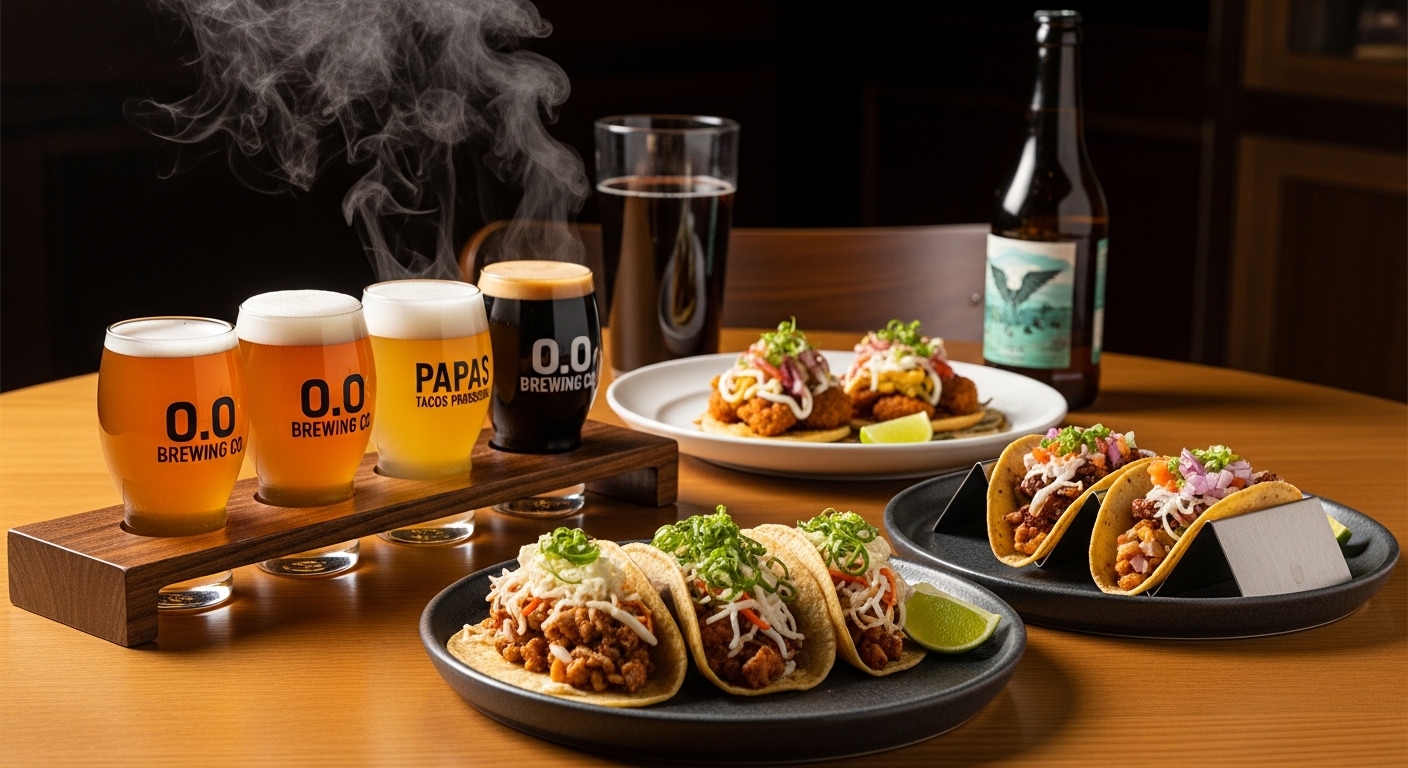
Imagine this: you are sitting at a sleek, modern counter, the hum of conversation buzzing around you. In front of you sits a steaming bowl of ramen, but instead of the usual slices of pork, you find tender morsels of al pastor that have been marinating for hours in a blend of guajillo chili and soy sauce. To its right, a perfectly poured craft beer awaits, brewed with yuzu peel and sansho pepper. This is not your average dinner. This is the world of miuzo.
I first encountered this concept on a rainy Tuesday evening at a collaborative dinner between O.O. Brewing Co and Papas Tacos and Provisions. I walked in curious and left convinced that I had witnessed the future of dining. Miuzo is more than a menu trend or a passing fad; it is a philosophy. It is a deliberate, artful conversation between the deep, umami-rich traditions of Japan and the bold, playful spirit of modern global cooking. If you are a culinary enthusiast always on the hunt for the next big thing, let this be your official invitation to explore the features and benefits of this gastronomic innovation.
To truly understand miuzo, you have to forget the idea of fusion as just mixing two things together. It is not about simply throwing wasabi on a taco and calling it a day. Instead, miuzo represents a deeper, more respectful dialogue between cultures.
At its heart, miuzo is the intersection of precision and passion. It borrows the Japanese reverence for artisanal ingredients, seasonality, and meticulous preparation often associated with kaiseki or sushi culture. It then applies this respect to the vibrant, bold, and sometimes irreverent techniques of contemporary cooking found in modern American kitchens.
Think of it this way: traditional Japanese cuisine is a master painter who has spent decades perfecting a single brushstroke. Modern fusion cuisine is a street artist who uses that same brush to create something entirely unexpected on a new canvas. Miuzo is what happens when those two artists decide to share a studio. The result is a dining experience that feels both deeply familiar and wildly exciting.
What elevates miuzo from a simple theme to a genuine culinary movement is the unwavering commitment to culinary craftsmanship. This is not fast food; this is slow food that tells a story.
Just as a sake brewer treats rice with reverence, the chefs and creators behind the miuzo concept treat every component with respect. The tortillas at a miuzo-influenced taco spot aren’t store-bought; they are likely made with heirloom corn, ground fresh that day. The fish for a crudo might be line-caught and aged perfectly, mirroring the precision of a Tokyo sushi master.
The magic happens in the technique. You might find a dashi broth that has been simmered for hours, used not for miso soup, but as a poaching liquid for Gulf shrimp. A Japanese pickling technique might be applied to radishes that will top a birria taco. This is the feature that defines miuzo: using the technical mastery of one culture to elevate the ingredients of another.
Abstract concepts are nice, but flavor is what matters. The beauty of this trend is that it is accessible. You don’t need a plane ticket to Tokyo; you just need to know where to look. Two key players are currently championing this style: O.O. Brewing Co and Papas Tacos and Provisions.
Craft beer and Japanese flavors might sound like an unlikely pair, but O.O. Brewing Co has turned it into a science. Their brewmasters are pioneers in gastronomic innovation, often incorporating traditional Japanese ingredients into modern beer profiles.
- The Flavor Profile: Imagine a stout with a hint of kinako (roasted soybean flour) or a crisp lager finished with sudachi citrus. These beers don’t just taste unique; they are designed to complement food in ways standard brews cannot.
- Why it Works: The bitterness of hops is balanced by the sweetness of mirin, or the umami of sake lees adds a layer of complexity to a hazy IPA. When you enjoy a miuzo beer, you are tasting the result of a brewer asking, “What if sake and ale became friends?”
If O.O. Brewing handles the drinks, Papas Tacos and Provisions handles the soul food. Their menu is perhaps the best place to start exploring miuzo culinary influence.
- The Taco: Take their signature al pastor. Traditionally cooked on a vertical spit with pineapple, their version might feature a marinade that swaps out some of the achiote for miso and sesame. The result is the same crispy, caramelized edge you crave, but with a deeper, more savory punch.
- The Provisions: Look at the “provisions” side of the menu. You might find tostadas topped with hamachi (yellowtail) and a creamy yuzu-kosho aioli, or a bowl of smoky collard greens cooked with bonito flakes. It is comfort food wearing a kimono.
Why does this combination work so well? It comes down to science, specifically the science of umami flavors.
Umami, often called the fifth taste, is that savory, mouth-coating sensation you get from soy sauce, aged cheese, tomatoes, and mushrooms. It is the backbone of Japanese cooking.
- The Umami Bomb: When you combine umami-rich Japanese ingredients (like miso, soy sauce, katsuobushi, or shiitake) with the bold, often spicy or fatty elements of modern cuisine (like braised meats, hot chiles, or crema), you create a synergy.
- The Benefit: This synergy makes food more satisfying. It hits your palate on multiple levels, making each bite more complex than the last. This is the primary benefit of the miuzo approach: it turns a simple meal into a layered sensory experience.
Inspired to bring this into your own kitchen? You don’t need a professional degree to play with these ideas. Here are the best ways to enjoy miuzo without a reservation.
1. Upgrade Your Pantry
Start by swapping out your basic ingredients for artisanal ones. Replace your standard soy sauce with a high-quality, small-batch shoyu. Buy real mirin. Keep a tube of shichimi togarashi (Japanese seven spice) next to your salt and pepper. These small changes are the first step toward Japanese fusion at home.
2. The Taco Night Remix
For your next taco night, set out two types of salsa: a classic spicy tomatillo and a bowl of soy sauce mixed with fresh lime and a drop of sesame oil. Use it as a dipping sauce for grilled steak or chicken. It cuts through the richness of the meat just like a good salsa would, but with a completely different aromatic profile.
3. Beer and Bites
Pick up a few bottles from a local craft brewery that experiments with botanicals. Pair a citrus-forward ale with some spicy tuna tartare on crispy rice. The bright acidity in the beer will highlight the freshness of the fish, showcasing the same flavor profiles you would find in a high-end restaurant.
So, why is miuzo trending in 2024 and beyond? Because diners are smarter and more curious than ever. We have moved past the era of fearing “weird” food. We now crave authenticity and stories.
The history of the miuzo concept is rooted in the globalization of the palate. We have traveled to Japan, or we have watched enough documentaries to understand the depth of its food culture. We have also fallen in love with the creativity of modern street food. Miuzo is the natural evolution of these two passions colliding.
It is also a reflection of lifestyle branding. People don’t just want to eat; they want to experience. They want to post a photo of a beautiful dish and tell the story of how the chef spent three days pickling that ginger. Miuzo provides that narrative. It offers a bridge between the old world and the new world, between the rustic taco stand and the elegant sushi counter.
Miuzo is more than a buzzword; it is an invitation to taste the world in a new way. It respects the past while celebrating the present. Whether you are sipping a sake-infused IPA or biting into a miso-caramel churro, you are participating in a delicious cultural exchange.
To help you get started on your own journey into this flavorful world, here are three actionable tips:
- Visit the Pioneers: Make a point to visit O.O. Brewing Co and Papas Tacos and Provisions. Order the specials. Ask the staff questions. Let them guide you through the flavor combinations.
- Experiment Fearlessly: At home, try adding a splash of mirin to your next batch of caramelized onions, or sprinkle furikake (rice seasoning) over your popcorn. The goal is to see how easily these flavors integrate.
- Share the Discovery: Bring a friend. Food tastes better when it is shared, and discussing the unique miuzo features and benefits with someone else is the best way to appreciate the craftsmanship involved.
Have you tried a dish that perfectly blended Japanese tradition with modern comfort food? Share your thoughts and discoveries in the comments below I would love to hear about your own culinary adventures
What does “miuzo” actually mean in Japanese?
While it sounds Japanese, “miuzo” (味宇宙) can be interpreted as “Flavor Universe” or “Taste Cosmos,” combining the characters for “flavor” and “universe.” It represents the expansive, boundaryless approach to combining flavors central to the concept.
Is Miuzo the same as regular Japanese fusion food?
Not exactly. While it falls under the Japanese fusion umbrella, miuzo specifically emphasizes a high level of culinary craftsmanship and respect for traditional techniques, rather than just mixing flavors for novelty. It is fusion with integrity.
Where can I find the specific menu items mentioned for Papas Tacos?
The menu at Papas Tacos and Provisions changes seasonally to highlight the best artisanal ingredients. It is best to check their social media or visit in person to see the current miuzo menu highlights. The collaborations with O.O. Brewing Co are often special, limited-time events.
Are these flavors too adventurous for a picky eater?
Not at all. The beauty of miuzo is that it builds on familiar foods we already love, like tacos and burgers. It simply enhances them with deeper flavors. A miso-glazed chicken taco is still just a delicious chicken taco it just has a richer, more satisfying taste.
Can I apply the miuzo philosophy to vegetarian or vegan cooking?
Absolutely. Japanese cuisine has a strong tradition of vegan cooking, particularly in Shojin ryori (Buddhist temple food). Using rich mushroom dashi, fermented bean pastes, and sesame, you can create deep, complex umami flavors that elevate any plant-based modern dish.
How does O.O. Brewing Co incorporate these ideas into beer?
O.O. Brewing Co often uses ingredients typically reserved for the kitchen, such as yuzu, sake rice, or shiso leaves, during the brewing process. This gastronomic innovation results in beers that are incredibly food-friendly and aromatic.
Is this trend expected to last?
Given its foundation in genuine respect for technique and quality, rather than just hype, the influence of miuzo is likely to grow. As more diners seek out authentic and meaningful food experiences, this blend of tradition and innovation offers a compelling path forward.