
 By Henry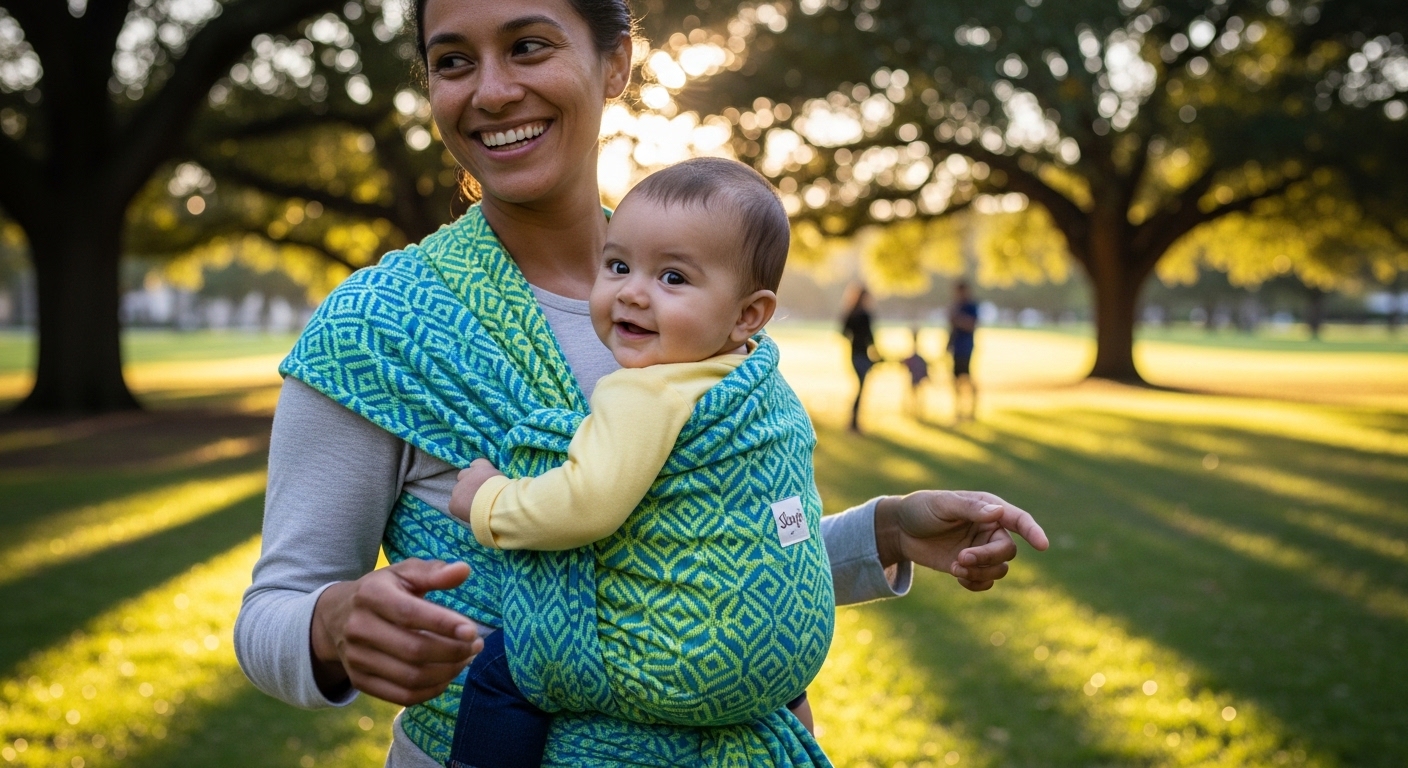
Slinguri offer a flexible, fabric-based alternative to structured baby carriers, promoting closer bonding and ergonomic support, but the best choice depends on your lifestyle and baby’s age.
- Research suggests Slinguri excel for newborns due to their womb-like hold, potentially reducing crying by up to 43% and supporting infant spine development in the natural M-position.
- Traditional baby carriers provide better weight distribution for longer outings or toddlers, easing back pain through padded straps, though they can feel bulkier for quick tasks.
- Evidence leans toward Slinguri for attachment parenting and hands-free parenting in early months, but structured carriers may suit eco-conscious families needing durability for all-day use.
- It seems likely that a hybrid approach, starting with Slinguri for newborns and transitioning to carriers, balances safety and comfort, though individual fit varies.
- Controversy exists around one-shoulder designs causing strain, but proper use and breathable fabrics like bamboo mitigate risks for most parents.
Slinguri shine in versatility and intimacy, wrapping your baby snugly for that skin-to-skin feel many parents crave. Traditional carriers, with buckles and panels, offer structured support ideal for hikes or errands. If you’re new to this, try both at a local baby store to see what feels right.
Always follow the T.I.C.K.S. rule: Tight fit, In view at all times, Close enough to kiss, Keep chin off chest, Supported back. This ensures newborn safety and proper hip positioning.
Start with a ring Slinguri for easy adjustments if you’re a beginner. For back pain, opt for wide fabric to distribute weight evenly. Wash gently in cold water to maintain breathability.
Imagine chasing a toddler through the park while your newborn fusses in your arms, or trying to fold laundry with one hand as your little one clings to you for comfort. As a mom who’s juggled three kids through those chaotic early years, I know the struggle all too well. That’s where Slinguri steps in: a simple, fabric-based carrier that lets you keep your baby close while reclaiming your hands (and maybe a bit of your sanity). But is it really better than a traditional baby carrier? Let’s dive in and figure out what’s right for you and your bundle of joy.
Picture a cozy, customizable hug for your baby that’s as easy to slip on as your favorite scarf. Slinguri are fabric-based carriers, often rooted in traditional babywearing practices from around the world, designed to hold your little one securely against your body. They’re lightweight and fold up small, making them a go-to for on-the-go parents.
Types of Slinguri: There are a few styles to choose from, each with its own charm. Ring Slinguri use metal rings for quick adjustments, perfect for popping your baby in and out during a busy day. Wrap Slinguri involve a long piece of fabric you tie around yourself, offering a super-snug fit that feels like an extension of your arms. Pouch Slinguri are like a ready-made loop, ideal for short trips but needing the right size for safety. Brands like Moby or WildBird often lead the pack, with options in breathable cotton or eco-friendly bamboo.
Why Parents Love Them: From my experience, and chatting with other moms at playgroups, Slinguri feel more intimate than bulkier options. They promote that heart-to-heart connection, which can calm a colicky baby faster than you’d believe. Plus, they’re great for discreet breastfeeding in public, no awkward covers needed.
Think about those moments when your baby just won’t settle unless they’re glued to you. Slinguri make that closeness effortless, turning everyday tasks into bonding opportunities. The ergonomic design supports your baby’s natural posture, with knees tucked higher than their bottom in the M-position, which experts say aids hip development and reduces pressure on their tiny spine.
Emotional and Developmental Perks: Babywearing with Slinguri isn’t just practical; it’s backed by science for building secure attachments. Studies show babies cry less when carried close, thanks to the soothing rhythm of your heartbeat and movement. It’s like recreating the womb, helping with emotional regulation and even better sleep patterns. For parents, it boosts oxytocin (that feel-good hormone), which can ease those postpartum blues and strengthen your bond from day one.
Hands-Free Parenting Wins: I’ve folded countless loads of laundry while my youngest napped in a Slinguri, and it felt like a small victory every time. Whether you’re walking the dog, prepping dinner, or shopping, the even weight distribution lets you move freely without arm fatigue. Eco-conscious families appreciate the sustainable fabrics, too, like linen blends that breathe well in summer.
Health Boosts for Baby: Beyond comfort, Slinguri support infant spine development by keeping the back gently curved and hips in a healthy spread-squat position. This can prevent issues like hip dysplasia, especially important for newborns. Parents with multiples or older kids find them a lifesaver for multitasking without sacrificing closeness.
So, how do Slinguri stack up against those buckle-up baby carriers you’ve seen everywhere? It’s like comparing a soft sweater to a sturdy backpack: both get the job done, but the feel is different. Slinguri are more flexible and lightweight, wrapping around you for a custom fit that’s great for quick ups and downs. Structured carriers, on the other hand, have padded straps and panels for even weight spread, making them ideal for longer wears or active outings.
Key Differences in Comfort and Use: From what I’ve tried (and heard from friends), Slinguri excel in breathability and that skin-to-skin vibe, but they might put more weight on one shoulder if not adjusted right. Structured carriers distribute load across your hips and back, which is a relief if you’re prone to aches. For newborns, Slinguri often win for their womb-like hold, while carriers shine as babies grow and want to face out.
Here’s a quick comparison to help you decide:
| Feature | Slinguri | Structured Baby Carriers |
|---|---|---|
| Weight Distribution | Mostly shoulders and torso, customizable | Even across hips, shoulders, back |
| Ease of Use | Quick for pros, learning curve for ties | Buckles for fast on/off |
| Best For | Newborns, bonding, short trips | Toddlers, hikes, all-day wear |
| Breathability | High with natural fabrics | Varies, often mesh panels |
| Price Range | $30-$80 | $50-$150 |
| Ergonomic Hip Positioning | Excellent M-position support | Good, but depends on model |
When to Choose One Over the Other: If you’re all about attachment parenting and that constant cuddle, go for Slinguri. But if back pain is your nemesis or you need something for shared use with a partner, a structured carrier might edge it out. Many families, like one I know who hiked with twins, use both: Slinguri at home, carriers outdoors.
Newborns need extra support, and Slinguri deliver with their gentle, adjustable hold. Look for soft, stretchy fabrics that mimic your embrace. Top picks include the Solly Baby Wrap for its ultra-soft bamboo blend, or the WildBird Ring Sling for easy adjustments and stylish prints. These keep your baby in the ideal M-position seating, supporting fragile necks and spines from day one.
What to Look For: Prioritize breathable materials to avoid overheating, and check weight limits (usually up to 35 pounds). A good fit means your baby’s face is visible and kissable, with no fabric blocking airways. Parents rave about how these calm fussy newborns, like my friend’s preemie who finally slept soundly.
Real Parent Stories: One dad shared how his ring Slinguri turned grocery runs into peaceful adventures, with his little girl snoozing against him. Another mom with a colicky baby said it cut crying in half, giving her time to connect with her older kids.
Safety isn’t scary if you know the basics. As a seasoned parent, I’ll tell you: practice makes perfect. Start by following the T.I.C.K.S. guidelines: Tight enough to hug, In view always, Close for a kiss, Chin off chest, and Back supported. This keeps airways clear and hips healthy.
Common Mistakes to Avoid: Don’t let fabric sag or position baby too low. Always check for wear and tear, and avoid cooking or hot drinks while wearing. For beginners, watch online tutorials or join a local babywearing group; it’s reassuring to learn with others.
Building Confidence: Begin at home with short sessions, using a mirror to check positioning. If something feels off, adjust or consult a pediatrician. Remember, millions of parents worldwide use these safely every day.
Ergonomics might sound technical, but it’s about keeping everyone comfortable. Slinguri promote the M-position, where knees are up and legs spread, supporting natural hip joints and preventing dysplasia risks. This also eases pressure on your baby’s developing spine, encouraging a gentle C-curve.
For Parents Too: The wide fabric spreads weight, reducing shoulder strain compared to holding baby in arms. It’s a boon for posture, as it encourages you to stand tall. Studies link this to less back pain over time, especially with proper ties.
Long-Term Advantages: Kids carried ergonomically often develop strong core muscles from the gentle movement. For you, it’s like built-in exercise, strengthening your back without gym time.
Keeping your Slinguri fresh is simple, but gentle care extends its life. Most can go in the machine on a delicate cycle with cold water and mild detergent, but check the label first. Air dry to preserve shape and breathability; avoid dryers that might shrink fabrics.
Spot Cleaning Tricks: For quick fixes, dab stains with a soft cloth and soapy water. Bamboo blends resist odors, so you won’t wash as often. One mom tip: Wash in a laundry bag to prevent tangles.
Maintenance for Longevity: Store folded away from sun to keep colors vibrant. Regular washes keep it hygienic, especially after spit-up sessions.
Back pain doesn’t have to sideline babywearing. Slinguri with wide wraps distribute weight evenly, taking pressure off your lower back. Choose models with padded shoulders or add a hip belt for extra support.
Adjustments That Help: Tie higher on your torso to lift the load. Alternate shoulders with ring styles to avoid imbalance. Pair with core exercises, like gentle walks, to build strength.
Parent-Approved Options: The Ergobaby Embrace or Tula Explore get nods for their back-friendly designs. One parent with sciatica said it transformed her daily routine, letting her carry without flares.
Looking back at 2024 reviews, Slinguri held strong with high marks for comfort and ease. The Nalakai Ring Sling topped lists for its bamboo-linen mix, earning 4.8 stars on sites like Amazon for softness and newborn fit. WildBird’s linen options were praised for breathability, though some noted a learning curve.
What Users Say: Parents loved the bonding boost, with one review calling it “a lifesaver for hands-free parenting.” Drawbacks? A few mentioned shoulder strain on long wears, suggesting hybrids for variety.
Trends and Updates: Eco-friendly materials dominated, with more brands offering adjustable fits for diverse bodies.
In the end, whether Slinguri or a baby carrier wins for you boils down to your daily rhythm. Both foster that precious bonding, but Slinguri’s flexibility often tips the scale for new parents craving closeness. Try one out, and see how it transforms your days.
3 Actionable Tips to Try Today: First, practice tying in front of a mirror for confidence. Second, layer clothes for temperature control. Third, rotate positions to keep things comfy for both of you. Share your thoughts below: What’s your go-to babywearing hack?
What makes Slinguri better for newborns than structured carriers?
Slinguri provide a customizable, womb-like hold that supports the M-position for hip and spine health, often calming babies faster.
How do I know if my Slinguri is safe?
Check for a tight fit using T.I.C.K.S., ensure airways are clear, and follow manufacturer guidelines for weight and age.
Can Slinguri help with back pain?
Yes, with even weight distribution and ergonomic ties, they reduce strain, especially wide wraps.
What’s the best way to clean a Slinguri?
Machine wash on delicate in cold water, air dry, and spot clean for quick fixes to maintain fabric integrity.
Are there eco-friendly Slinguri options?
Absolutely, look for bamboo or organic cotton blends that are breathable and sustainable.
How long can I use a Slinguri?
Most support from newborn to toddler (up to 35 pounds), depending on the style and your comfort.
Slinguri vs carriers for travel?
Slinguri pack small and allow quick adjustments, great for planes or crowds, while carriers offer more structure for long walks.