
 By Henry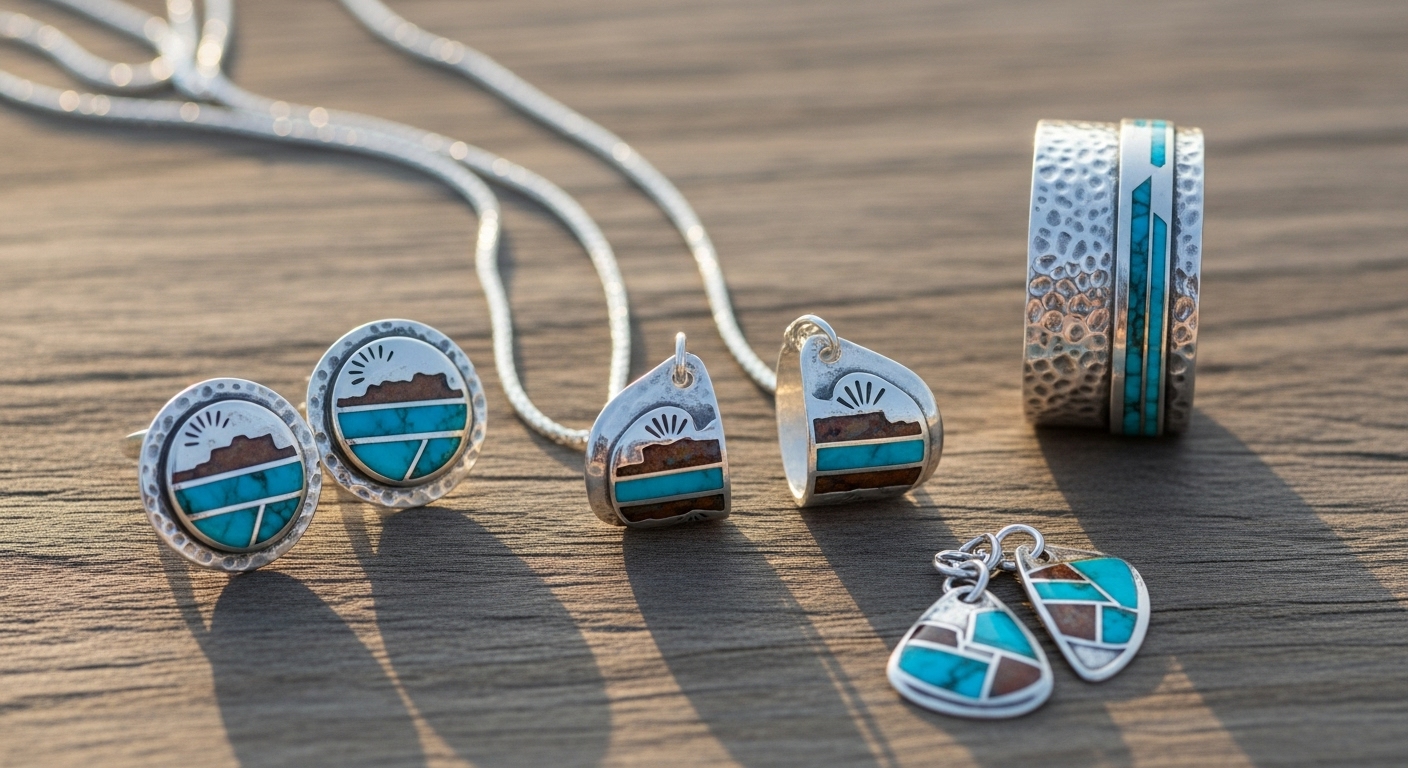
Have you ever held a piece of jewelry that feels like it carries the weight of two worlds, whispering stories of ancient deserts and serene cherry blossoms? That’s the magic of Tsunaihaiya, a brand where sterling silver accessories become more than adornments: they turn into bridges between cultures. Founded on a unique blend of Native American influence and Japanese jewelry craftsmanship, Tsunaihaiya invites you to explore artisan metalwork that honors tradition while embracing contemporary silver smithing. Let’s dive into this captivating world, where every hammered texture and inlaid stone tells a tale of dedication and artistry.
Picture this: in the vast landscapes of the American Southwest, where the sun rises over rugged mountains, a collaboration sparked in 2012 that would redefine handmade jewelry design. Tsunaihaiya emerged from the partnership between Japanese artist Yusuke Kuwano and San Carlos Apache sculptor Craig Dan Goseyun. The name itself, drawn from Apache language, evokes “sunrise” or “the sun arises,” a poetic nod to renewal and hope that mirrors Japan’s own identity as the Land of the Rising Sun. This fusion wasn’t accidental; it stemmed from deep respect and shared passion for silversmithing.
Kuwano, who studied at the Institute of American Indian Arts in Santa Fe, New Mexico, graduated at the top of his class, immersing himself in Native American techniques. Goseyun, with his Apache heritage, brought symbolic depth, drawing from indigenous chants and motifs that symbolize unity and resilience. Together, they created a brand that avoids cultural appropriation by centering authentic voices and hands-on collaboration. From humble beginnings in small workshops, Tsunaihaiya grew into a symbol of cross-cultural harmony, appealing to those who seek boutique fashion accessories with soul.
The history of Tsunaihaiya brand reflects a broader story of global exchange. In post-World War II Japan, fascination with Americana, including Native American jewelry, took root among enthusiasts. Kuwano and Goseyun elevated this, blending it with Japanese precision to craft pieces that feel timeless yet fresh. Today, the brand stands as a testament to how tradition can evolve, inspiring luxury jewelry collectors worldwide.
At the heart of Tsunaihaiya are two remarkable artists whose paths converged to birth something extraordinary. Yusuke Kuwano, a Japanese silversmith, journeyed to the U.S. to apprentice under Apache masters, living among them to absorb not just techniques but lifestyles. His background in Japanese craftsmanship added layers of meticulous finishing, where every edge is smoothed for comfort and every polish reveals a deeper shine.
Craig Dan Goseyun, rooted in San Carlos Apache heritage, infused the brand with spiritual symbols like the sun for life force, eagle feathers for protection, and geometric patterns representing mountains or rivers. Their collaboration wasn’t about dominance but dialogue: Kuwano’s technical expertise in metalworking met Goseyun’s bold symbolism, resulting in pieces that feel alive. Think of it as a conversation between the earthy ruggedness of the desert and the subtle elegance of a Zen garden.
This duo’s vision extends beyond jewelry. They emphasize economic empowerment by employing indigenous artisans and exporting cultural narratives, ensuring the brand contributes positively to the communities it draws from. For enthusiasts of Japanese craftsmanship like Mingei, Tsunaihaiya represents a modern evolution, where handmade items carry the pride of “Monozukuri,” the Japanese art of making things with soul.
What sets Tsunaihaiya apart in the realm of contemporary silver smithing? It’s the painstaking, hands-on process that marries Native American methods with Japanese finesse. Each piece starts with sterling silver, chosen for its durability and ability to hold intricate details without cracking. Artisans sketch symbolic motifs, then employ techniques like overlay: soldering two silver sheets and sawing designs from the top for a 3D effect that pops with precision.
Stamp work is another hallmark, where handmade stamps are hammered into the metal, creating crisp patterns that demand perfect control, one slip could ruin hours of work. Hand-hammered textures add an organic faceted surface, catching light like scattered diamonds, while oxidation blackens crevices for dramatic contrast. Japanese influences shine in the finishing: edges are refined for wearability, and patinas develop naturally, embracing Wabi-Sabi’s beauty in imperfection.
Gemstones like turquoise from Bisbee or Kingman mines bring natural variation, with deep blues and matrix patterns ensuring no two pieces are identical. This commitment to artisan metalwork aligns with slow fashion, prioritizing quality over quantity. In a world of mass-produced trinkets, Tsunaihaiya’s techniques remind us of the human touch: hammer marks as fingerprints, flaws as stories.
To illustrate the blend:
| Technique | Native American Influence | Japanese Influence | Resulting Feature |
|---|---|---|---|
| Overlay | Bold, carved symbolic designs | Precise sawing and soldering | 3D depth with clean edges |
| Stamp Work | Deep, rhythmic patterns | Controlled force and minimalism | Crisp, storytelling motifs |
| Hammering | Rugged, organic textures | Faceted polishing for shine | Light-catching, alive surfaces |
| Oxidation | Earthy patinas for age | Wabi-Sabi acceptance of wear | Contrasting highs and lows |
| Stone Inlay | Natural turquoise for spiritual meaning | Smooth integration for comfort | Unique, one-of-a-kind accents |
This table shows how the fusion creates something greater than its parts, making Tsunaihaiya a leader in bespoke silver accessories from Japan.
Tsunaihaiya’s collections are a feast for the senses, with pieces that range from subtle bands to statement cuffs. Take the “Sunrise” pendants: round medallions with radiating rays centering a turquoise stone, evoking the dawn’s glow in sterling silver. Their compact form belies intricate details, like micro-stamps mimicking woven Navajo patterns, a technical marvel that feels like holding a woven tapestry in metal.
For men, Tsunaihaiya silver rings stand out, often featuring onyx or lapis inlays with engraved motifs symbolizing strength. Bracelets and cuffs, thick and weighty, wrap the wrist in harmony, blending sunburst engravings with hammered textures for a powerful presence. Unique Japanese streetwear jewelry like tie clips or money clips extend the line, allowing a cohesive style.
The Textile Series pushes boundaries, using stamps to imitate fabric weaves, resulting in silver that flows like cloth yet holds the solidity of metal. Necklaces, with their minimalist chains and symbolic pendants, offer versatility: wear them layered for high-end streetwear or solo for elegance. Each item feels heavy yet balanced, like earth-forged relics that adapt to modern life.
In an era of fast trends, Tsunaihaiya champions slow fashion, where pieces are made to last generations. The brand’s dedication to small-batch production means limited availability, turning jewelry into heirlooms that appreciate in value. Sustainability shines through eco-materials and ethical sourcing, resisting commercialization to preserve cultural integrity.
Philosophically, Tsunaihaiya views accessories as talismans: symbols of interconnectedness with nature and spirits. It promotes reciprocity with the earth, challenging individualism through themes of unity. For connoisseurs, this means owning ornamental art that evolves with wear, patinas deepening like fine wine. It’s not just jewelry; it’s a commitment to mindful living, appealing to those interested in art-to-wear accessories.
Wondering how to incorporate Tsunaihaiya into your wardrobe? It’s easier than you think. For high-end streetwear followers, pair a chunky cuff with a simple tee and jeans: the rugged textures add edge without overwhelming. In more formal settings, a subtle ring or pendant elevates a suit, contrasting polished fabrics with organic silver.
Tsunaihaiya jewelry review and styling often highlight versatility. Layer necklaces for a bohemian vibe, or stack rings for personal expression. Let patinas develop naturally; avoid over-polishing to embrace that lived-in glow. One collector shared how their bracelet’s darkening crevices mirrored life’s journeys, adding emotional depth. Whether for men or women, these pieces blend seamlessly, making them ideal for unique Japanese handmade necklaces or rings.
Eager to own a piece? Tsunaihaiya is exclusive, available through select boutiques like it’s 12 midnight in Japan, where you can browse online collections. Other spots include LOFTMAN and FLATBUSH stores, often featuring limited drops. For where to buy Tsunaihaiya jewelry online, check authorized retailers in Tokyo, New York, or Paris; custom orders are rare due to handmade nature.
Prices reflect the craftsmanship: rings start around $200, while elaborate cuffs can reach $800 or more. Availability fluctuates, so sign up for newsletters to catch new releases. International shipping is often available, bringing this Japanese streetwear jewelry to global connoisseurs.
As we wrap up this exploration, Tsunaihaiya isn’t just a brand; it’s a movement toward meaningful adornment. Whether you’re drawn to its history, craftsmanship, or cultural depth, these pieces invite you to wear stories on your sleeve, or rather, your wrist. Have you tried styling Tsunaihaiya? Share your thoughts, or better yet, seek out a piece and let it spark your own sunrise.
- Tsunaihaiya blends Native American and Japanese techniques for unique, symbolic jewelry.
- Founded in 2012 by Yusuke Kuwano and Craig Dan Goseyun, it emphasizes cultural respect.
- Key materials include sterling silver and turquoise, crafted with overlay, stamping, and hammering.
- Embrace slow fashion: pieces evolve with wear, becoming personal heirlooms.
- Available at select boutiques; perfect for luxury collectors seeking art-to-wear.
You May Also Like: How David Borhaz Balances Modern Innovation with Ancient Tradition
What does the name Tsunaihaiya mean?
It derives from Apache language, symbolizing “sunrise” or “the sun arises,” representing renewal and tying into Japan’s cultural motifs.
Who founded Tsunaihaiya?
The brand was co-founded in 2012 by Japanese artist Yusuke Kuwano and San Carlos Apache sculptor Craig Dan Goseyun, blending their heritages.
What materials are used in Tsunaihaiya jewelry?
Primarily 925 sterling silver for durability, with natural gemstones like turquoise, onyx, and lapis lazuli for authentic, varied accents.
How is Tsunaihaiya jewelry made?
Each piece is handmade using techniques like overlay, stamp work, hammering, and oxidation, fusing Native American boldness with Japanese precision.
Where can I buy Tsunaihaiya silver rings for men?
Check online at boutiques like it’s 12 midnight or physical stores such as LOFTMAN in Japan; availability is limited due to small-batch production.
Is Tsunaihaiya considered slow fashion?
Yes, it prioritizes ethical, sustainable practices with limited runs, encouraging pieces that last and evolve over time.
What makes Tsunaihaiya unique compared to other handmade jewelry designs?
Its cultural fusion avoids appropriation, creating talismans with spiritual depth, heirloom quality, and a blend of rugged textures and refined finishes.