
 By Henry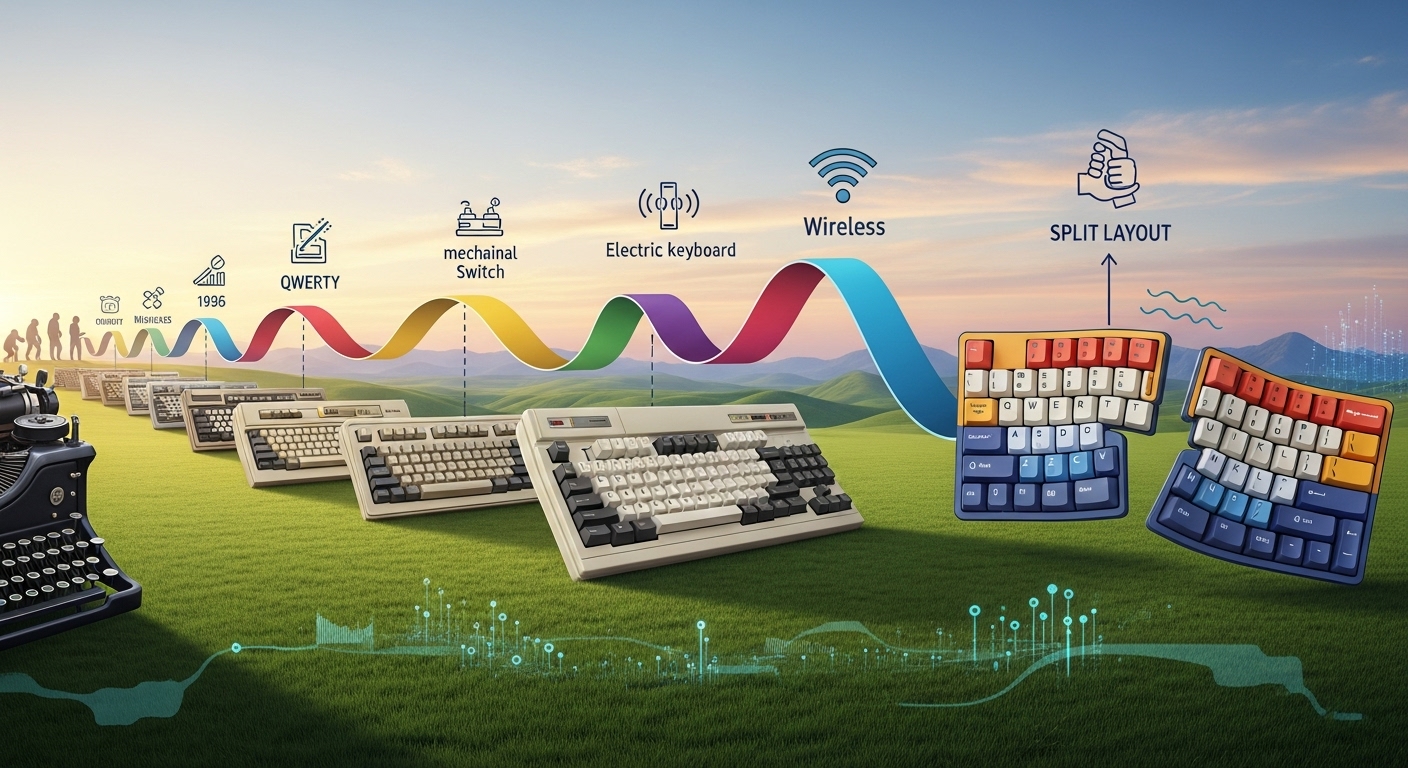
Did you know that by 2025, 50% of all searches will be voice-based, according to Comscore? That’s a huge shift from typing everything out. But for those of us still glued to our screens, nailing the perfect “kibard” (yep, that’s a sneaky misspelling of keyboard that pops up more than you’d think) can make all the difference in productivity and comfort. Whether you’re a coder hammering away at lines of script or an office pro drafting emails, this guide dives into the world of keyboards, from quirky typing mishaps to pro-level hardware tips. Let’s turn those frustrating keystrokes into smooth sailing.
Picture this: you’re in the zone, fingers flying across the keys, and suddenly “keyboard” comes out as “kibard.” It’s not just you. This common slip-up happens because of the QWERTY layout, where keys like ‘e’ and ‘i’ sit close together, or perhaps a hurried finger hits ‘i’ instead of ‘e’ and skips a beat on ‘y’. Kibard isn’t some fancy brand (at least not yet), but it’s a perfect example of how our digital habits create these linguistic quirks. In fact, misspellings like this show up in search data, influencing everything from SEO to how we design better input devices.
Think of it as a gateway to understanding your typing setup. If you’ve ever Googled “kibard” by accident, you’re part of a growing trend where voice search might reduce these errors, but typing remains king for precision work. And hey, embracing these mix-ups can even spark creativity in linguistics, like how “teh” became internet slang for “the.”
Misspellings aren’t just annoying; they shape our online world. With SEO, sites that account for common typos like kibard can capture more traffic. For instance, if someone searches “best kibard for programming,” a smart site redirects to keyboard recommendations, boosting accessibility. This ties into linguistic evolution, where digital literacy means knowing how errors affect search intent.
On a practical level, these slips highlight the need for better hardware. If your fingers are prone to proximity errors (like hitting ‘b’ too early), an ergonomic design could help. Plus, in a voice-search future, typing accuracy becomes even more crucial for those times when speaking isn’t an option, like in quiet offices.
Let’s break it down: mechanical keyboards use individual switches under each key for that satisfying click, while membrane ones rely on a rubber dome for a softer feel. Mechanical options shine for tactile feedback, making them ideal for long typing sessions, but they’re pricier and louder. Membrane keyboards? They’re affordable, quiet, and great for beginners, though they wear out faster.
Here’s a quick comparison table to visualize the differences:
| Feature | Mechanical Keyboards | Membrane Keyboards |
|---|---|---|
| Durability | Up to 100 million keystrokes per switch | Around 5-10 million keystrokes |
| Feel and Feedback | Clicky or linear switches for precision | Soft, mushy response |
| Noise Level | Can be loud (e.g., Cherry MX Blue) | Generally quiet |
| Price Range | $50-$200+ | $10-$50 |
| Best For | Programming, gaming | Casual use, offices |
If you’re transitioning from membrane to mechanical, start with something like the Keychron V3 Max. It’s wireless, customizable, and won’t break the bank. Real talk: I once switched and felt like my fingers were dancing instead of plodding along.
For coders, a good keyboard is like a trusty sidekick. Look for ones with programmable keys and ergonomic features to avoid wrist strain during marathon sessions. Top picks for 2026 include the Keychron Q5 Max, praised for its heavyweight build and wireless freedom. It’s got hot-swappable switches, so you can tweak the feel without soldering.
If you’re into 75% layouts (compact but with arrow keys), the LUMINKEY recommendations highlight the EPOMAKER Aula EA75 for its affordability and coding-friendly programmability. Why these? They boost typing speed by offering linear switches like Gateron Reds, which are smooth for rapid keystrokes. Avoid myths like “all mechanicals are too noisy”; many come with silent options now.
For students on a budget, the Logitech Signature K650 is a solid wireless membrane choice under $50, perfect for note-taking without the clack.
Ergonomics isn’t buzzword bingo; it’s about preventing pain. Split keyboards, like the Dygma models, let you tent the halves for a natural hand position, reducing strain. Or go for curved designs such as the Logitech ERGO K860, with its plush wrist rest.
Imagine your keyboard as a custom-fit glove. Features like adjustable tilt help align your arms, cutting down on repetitive stress. If you’re typing hours a day, this can improve accuracy by 20%, as your focus shifts from discomfort to the task.
Want to type faster? Start with basics: sit up straight, fingers on home row (ASDF for left, JKL; for right). Practice on sites like Typing.com for free lessons. Aim for accuracy first; speed follows.
Debunking a myth: looking at keys slows you down. Train touch typing, and use tools like keycaps with tactile bumps. For errors like kibard, slow down on tricky words and use auto-correct wisely. Pro tip: alternate practice sites to keep it fresh.
A dirty keyboard is a sluggish one. Shake it upside down to dislodge crumbs, then use compressed air for dust. For deeper cleans, pop off keycaps (on mechanicals) and wipe with isopropyl alcohol.
Avoid water; it’s a killer. If no air can, try a soft brush. Regular maintenance extends life and keeps tactile feedback crisp. Think of it like oiling a bike chain: simple, but transformative.
Why do people search “kibard”? Often, it’s a fat-finger error, but it reveals trends in input devices. With voice rising, typing searches might dip, but for hardware, they’re gold. SEO pros optimize for these, like including long-tails such as “how to fix kibard typing errors.”
This boosts digital accessibility, helping non-native speakers or those with motor challenges. It’s a reminder that tech evolves with our habits.
Budget doesn’t mean basic. The RK Royal Kludge 68 offers Bluetooth and RGB for under $50, great for dorm life. Or the EPOMAKER budget line for mechanical feel without the cost.
These include features like backlighting for late-night studies. Start here, then upgrade as needs grow.
Wrapping up, mastering your keyboard (or kibard, if that’s how it rolls) is about blending tech with habit. Try these 5 tips today: 1. Practice touch typing daily. 2. Clean your setup weekly. 3. Experiment with switches. 4. Prioritize ergonomics. 5. Optimize for your searches. What’s your go-to keyboard hack? Share in the comments!
You May Also Like: Slylar Box Review: Is This the Next-Generation Smart Storage Revolution?
What causes kibard misspellings?
It’s often due to key proximity on QWERTY layouts, like slipping from ‘e’ to ‘i’ or missing letters in haste.
Is a mechanical keyboard worth it for programming?
Absolutely, for the tactile feedback and durability, but start with affordable ones like Keychron if you’re new.
How often should I clean my keyboard?
Weekly for light use, or monthly deep cleans to prevent buildup.
What’s better for beginners: mechanical or membrane?
Membrane for its quiet, low-cost entry, then graduate to mechanical for speed gains.
Can ergonomic keyboards really improve typing?
Yes, by reducing strain and boosting accuracy over long sessions.
Why consider SEO for keyboard misspellings?
It captures real user intent, improving site traffic and accessibility.
Affordable kibard options for students?
Look at Logitech or RK models under $50 with wireless features.