
 By Henry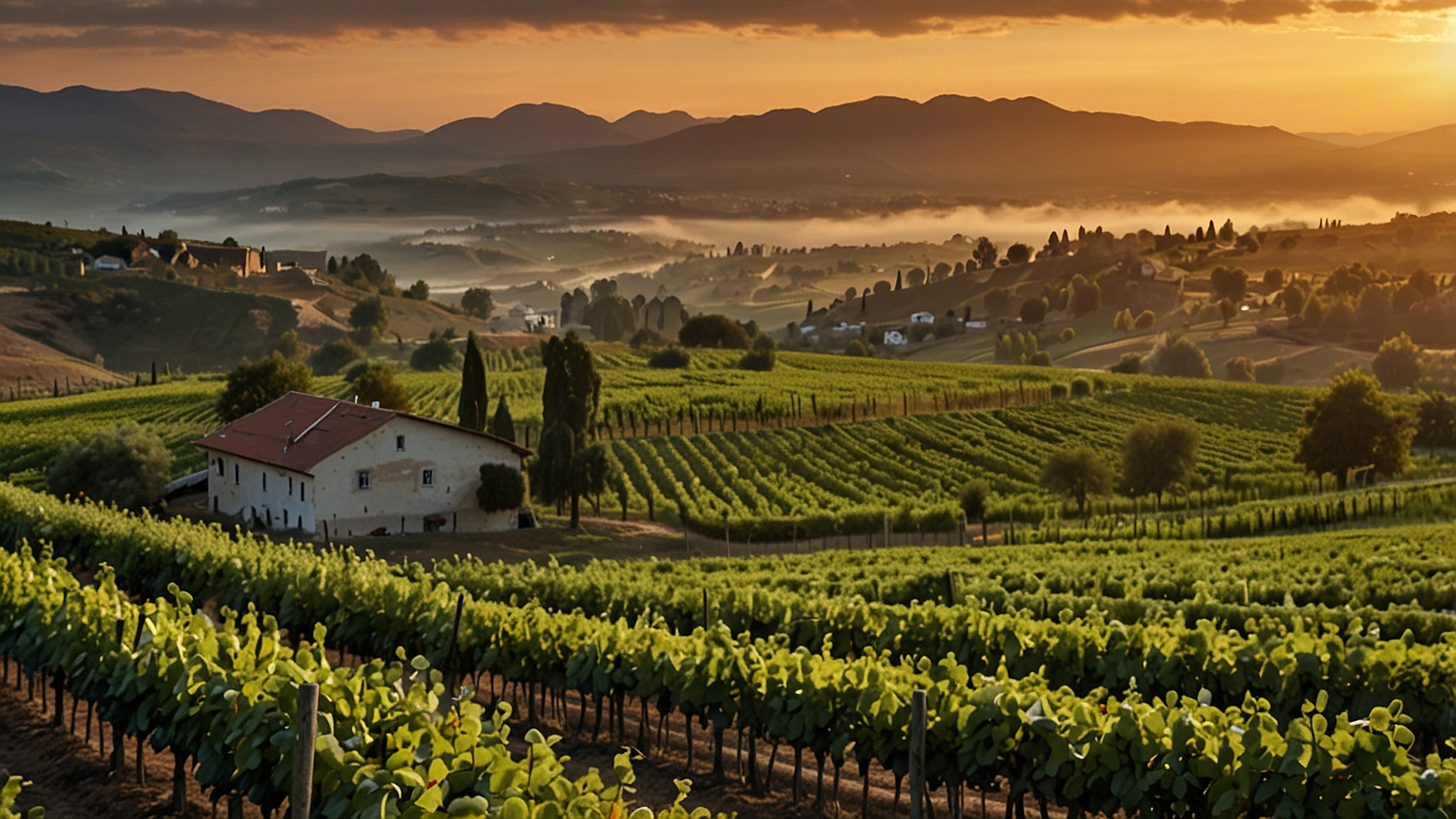
- Research suggests David Borhaz, a family-run winery in Egerszalók, Hungary, skillfully merges centuries-old Hungarian winemaking techniques with contemporary sustainable practices, creating wines that honor heritage while embracing efficiency.
- It seems likely that their use of traditional oak barrel aging alongside organic farming methods helps preserve the unique Egerszalók terroir, known for its volcanic soil and mineral-rich profiles.
- The evidence leans toward David Borhaz as a leader in artisanal viticulture, with award-winning blends like Egri Bikavér reflecting both ancient traditions and modern innovation, appealing to wine enthusiasts seeking authentic yet forward-thinking experiences.
- While some debates exist around the evolution of Hungarian wine regions, David Borhaz diplomatically bridges old and new, fostering biodiversity and quality without compromising cultural roots.
Nestled in the rolling hills of Egerszalók, David Borhaz stands as a testament to Hungary’s vibrant wine culture. This boutique winery, often spelled Dávid Borház in its native Hungarian, captures the essence of the Eger region through its commitment to quality and heritage. Visitors and connoisseurs alike praise its ability to weave ancient methods, such as hand-harvesting grapes from vitis vinifera vines, with innovative approaches like sustainable farming to reduce environmental impact. For more on their location and offerings, check out their official site at http://davidborhaz.hu/.
At its core, David Borhaz balances modern innovation with ancient tradition by respecting the land’s history while adopting eco-friendly techniques. The young winemaker infuses fresh ideas into time-honored practices, ensuring each bottle tells a story of evolution. This approach not only enhances flavor complexity but also positions the winery as a premier label in Hungarian wine culture, ideal for those exploring wine tourism in Hungary.
For wine enthusiasts and culinary travelers, understanding how David Borhaz operates offers insights into artisanal viticulture. Their wines, aged in Hungarian oak barrels within historic cellars, provide a sensory journey that connects past and present. Whether you’re a fan of robust reds like Egri Bikavér or crisp whites from Furmint grapes, the winery’s philosophy invites exploration and appreciation.
Imagine sipping a glass of deep ruby red wine, its aroma carrying hints of ripe berries and subtle spice, while standing amid misty vineyards that have whispered secrets for over a thousand years. That’s the allure of David Borhaz, a gem in Egerszalók, Hungary, where the past and future of winemaking dance in perfect harmony. Have you ever wondered how a small family winery can honor ancient traditions while embracing cutting-edge sustainability? Let’s dive into the world of David Borhaz and discover just that.
David Borhaz traces its roots back to the historic Eger wine region, where winemaking has flourished for more than a millennium. The story begins in the 11th century when King Stephen established the Diocese of Eger, laying the foundation for organized viticulture. By the 13th century, French settlers brought advanced techniques after the Mongol invasion, elevating Eger to a powerhouse in Hungarian wine production. Today, as a family-run operation formerly linked to Varga Borbarát Pincészet, David Borhaz continues this legacy with passion and authenticity.
The winery’s history is steeped in resilience and craftsmanship. Generations have tended the vines, passing down knowledge of traditional Hungarian winemaking techniques, such as careful blending to create iconic wines like Egri Bikavér, or Bull’s Blood. This bold red, named for a legend of Hungarian warriors gaining strength from wine during a siege, symbolizes the region’s enduring spirit. At David Borhaz, this history isn’t just preserved, it’s lived through every harvest and bottling.
What makes David Borhaz wines so distinctive? It starts with the Egerszalók terroir, a magical blend of nature’s gifts. The volcanic soil, rich in minerals from ancient eruptions, imparts a unique depth to the grapes, resulting in wines with vibrant acidity and complex flavors. Protected by the Bükk Mountains from harsh northern winds, the vineyards enjoy a balanced climate: warm days for ripening and cool nights to lock in freshness.
Picture the soil underfoot, crumbly and alive with the essence of tuff, a volcanic rock that forms natural cellars. These limestone-like tuff cellars, carved into the earth, provide ideal conditions for aging, with constant cool temperatures and humidity that enhance the wine’s maturity. This terroir isn’t just dirt, it’s the soul of every bottle, influencing everything from the minerality in whites to the tannic structure in reds. For wine lovers curious about volcanic soil’s impact, it’s like nature’s own spice rack, adding layers that no winemaker could replicate alone.
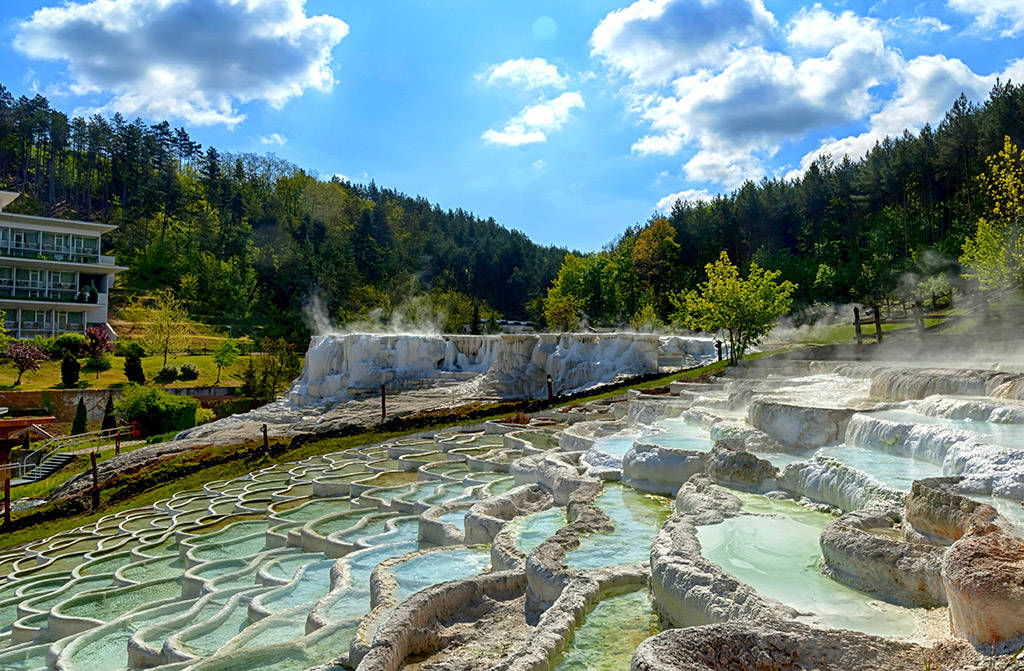
Image Source: visiteger.com
At David Borhaz, winemaking is an art form that bridges eras. The process begins with artisanal viticulture, where grapes are hand-selected to ensure only the finest make it to fermentation. Traditional methods, like aging in Hungarian oak barrels, infuse the wines with notes of vanilla and toast, a nod to ancient practices that have defined Hungarian wine for centuries.
Yet, innovation shines through. The young winemaker introduces modern techniques, such as controlled fermentation and precise blending, to refine these classics. Wines spend 18 months in large oak barrels before moving to smaller barrique ones for added complexity, balancing power with elegance. This fusion ensures consistency without losing the handmade charm. As one might say, it’s like updating a family recipe with new tools, keeping the heart intact while improving the outcome.
David Borhaz’s portfolio is a celebration of variety and quality. Their reds, particularly the Egri Bikavér variants, steal the show. The Stephanus, a modern twist on Bull’s Blood, offers seamless flavors of dark fruit and spice, earning a silver medal at the XII. Bayer borverseny. Then there’s the DQ Cuvée 2011, a blend of Merlot, Cabernet Franc, and Kékfrankos, which clinched gold at the same competition. Its velvety texture and balanced tannins make it a standout for red wine aficionados.
On the white side, the Talizmán White Cuvée combines Chardonnay, Hárslevelű, and Olaszrizling, with partial oak aging for a creamy yet fresh profile. While Furmint grapes are more iconic in nearby Tokaj, David Borhaz incorporates similar indigenous varieties to highlight Hungary’s diverse grape heritage. The Late-Harvest Hárslevelű, a luscious dessert wine, pairs beautifully with cheeses or sweets, its golden hue glinting like sunlight on autumn leaves.
Here’s a table summarizing some key wines:
| Wine Name | Type | Key Grapes/Blend | Description | Awards/Notable |
|---|---|---|---|---|
| DQ Cuvée 2011 | Red | Merlot, Cabernet Franc, Kékfrankos | Rich, balanced with berry and spice notes; aged 18 months in oak | Gold at XII. Bayer competition |
| Stephanus | Red (Egri Bikavér) | Blend | Modern take with dark fruit and seamless integration | Silver at XII. Bayer competition |
| Talizmán White Cuvée | White | Chardonnay, Hárslevelű, Olaszrizling | Creamy, fresh with partial oak aging | High Vivino ratings (around 3.7) |
| Pincerejtek | Red (Egri Bikavér) | Blend | Bold, rich flavors reflecting terroir | International recognition |
| Late-Harvest Hárslevelű | Dessert White | Hárslevelű | Luscious, sweet with selected grapes | Pairs well with desserts |
These wines average 3.7 out of 5 on Vivino, with the DQ often hitting 3.9, proving their appeal to global palates.
Sustainability is woven into David Borhaz’s fabric, blending ancient respect for the land with modern eco-conscious methods. They practice organic farming, minimizing chemical use to preserve biodiversity in the vineyards. This approach, part of their artisanal viticulture, ensures the volcanic soil remains vibrant for future generations. In fact, by avoiding synthetic pesticides, they enhance the natural minerality that defines their wines.
Innovation here means efficiency without compromise. Advanced monitoring of vine health and water usage reduces waste, while traditional hand-pruning maintains quality. This balance positions David Borhaz as a model for sustainable farming in Hungary, appealing to luxury lifestyle seekers who value ethical production. It’s a reminder that true innovation honors the earth, much like how ancient winemakers worked in harmony with nature.
For fans of Hungarian culture and culinary travelers, David Borhaz is more than a winery, it’s an experience. Located just 90 minutes from Budapest at Ady Endre Street in Egerszalók, it’s easily accessible for a day trip. Guided tastings let you sample their lineup paired with traditional Hungarian dishes, from hearty goulash to fresh cheeses, in a cozy restaurant setting.
Walk through the tuff cellars, inhaling the damp oak scent as you learn about aging processes. Open Fridays and Saturdays, bookings via Facebook or their website are recommended. Combine it with Egerszalók’s thermal springs for a full sensory escape. Whether you’re seeking the best David Borhaz red wine or a deep dive into wine tourism Hungary, this spot delivers.
Curious where to buy David Borhaz wine online? While direct options may vary, platforms like Vivino often list their bottles, and international exports are growing.
As Hungarian wine evolves, David Borhaz remains a beacon, continually innovating while rooted in tradition. Their commitment to quality, from Furmint-inspired whites to robust Bikavér, ensures a bright path ahead.
- Plan a visit: Book a tasting at David Borhaz for an immersive experience in Egerszalók.
- Try their wines: Start with the DQ 2011 to taste award-winning excellence.
- Explore more: Research sustainable Hungarian wineries to broaden your palate.
What are your thoughts on blending tradition and innovation in wine? Share in the comments!
What is the history of Dávid Borház winery?
Dávid Borház has roots in the Eger region’s thousand-year winemaking tradition, evolving from family expertise and French influences in the 13th century.
What makes the Egerszalók terroir unique?
Its volcanic soil and protected climate from the Bükk Mountains create mineral-rich wines with balanced acidity and depth.
Does David Borhaz use traditional Hungarian winemaking techniques?
Yes, including aging in Hungarian oak barrels and hand-harvesting, blended with modern fermentation controls.
Is David Borhaz committed to sustainable farming?
Absolutely, they employ organic methods to minimize chemicals and preserve biodiversity.
What are the best David Borhaz red wines?
The DQ Cuvée and Stephanus Egri Bikavér stand out for their rich flavors and awards.
How can I experience David Borhaz wine tasting in Egerszalók?
Book guided tastings via their website or Facebook, often paired with local cuisine.
Where to buy David Borhaz wine online?
Check platforms like Vivino or international wine retailers for availability.