
 By Henry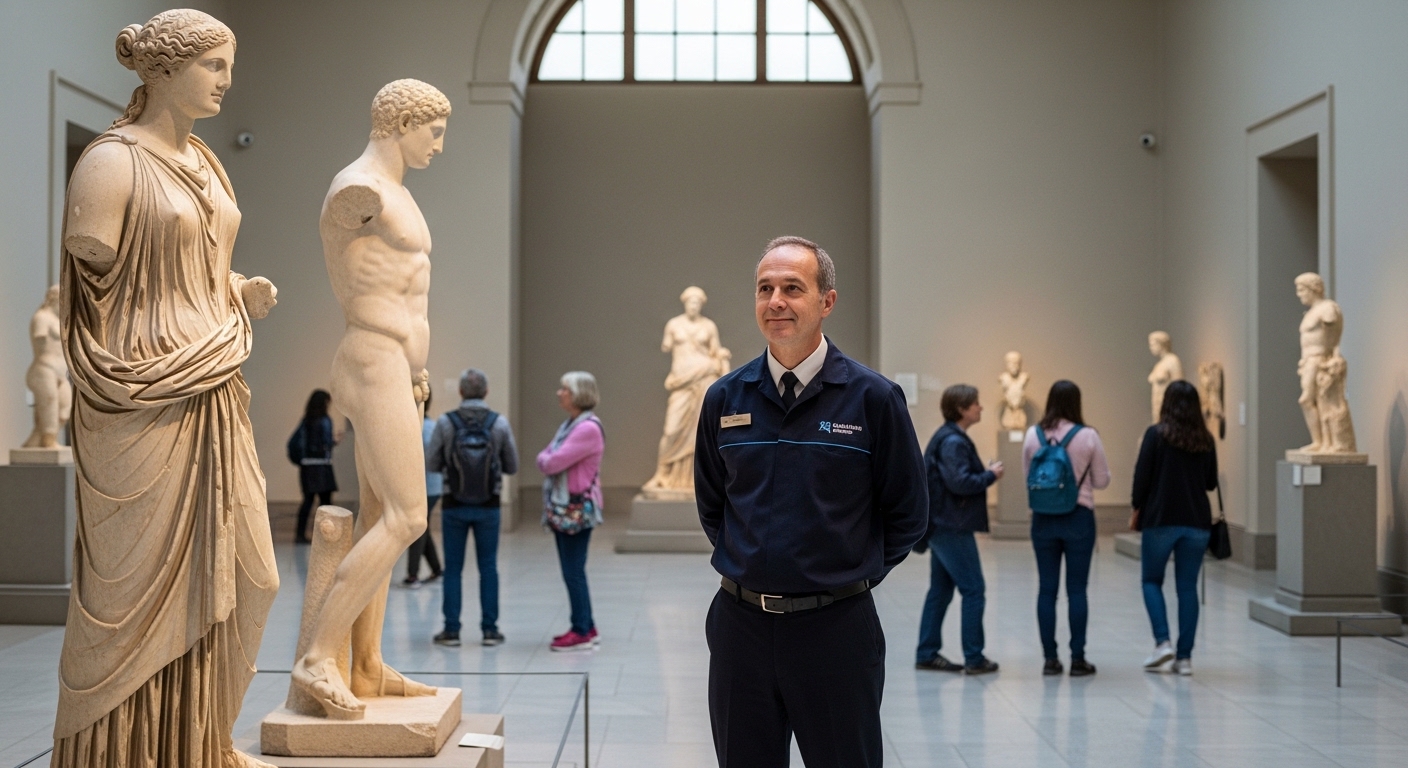
Have you ever wandered through a quiet gallery, surrounded by ancient artifacts or stunning artworks, and wondered who keeps everything running smoothly behind the scenes? That’s the magic of a museumsaufsicht job, a role that blends calm vigilance with a passion for culture. If you’re a job seeker eyeing entry-level gigs, a student dreaming of part-time work in the arts, or even a retiree wanting to stay engaged in a structured yet peaceful setting, this could be your perfect fit. In this guide, we’ll walk you through everything you need to know to kickstart your journey in the Museumswesen, from daily tasks to landing that first position.
Picture this: you’re the guardian of history and art, ensuring visitors have an unforgettable experience while protecting priceless treasures. A museumsaufsicht job, often called a museum attendant or supervisor, focuses on overseeing exhibition spaces in cultural institutions. It’s a key part of the Bewachungsgewerbe in museums, where you balance security with friendly service.
In essence, this role involves Kunstschutz, or art protection, by monitoring spaces and enforcing house rules, known as Hausordnung. You might work in grand venues like Berlin’s Pergamon Museum or Munich’s Pinakothek, helping with präventive Konservierung to prevent damage to exhibits. And the best part? It’s often open to quereinsteiger, or career changers, without needing a fancy degree. Many start with no prior experience, drawn to the calm environment of Kultureinrichtungen.
So, what does a typical shift look like? Museumsaufsicht personnel handle a mix of routine and unexpected tasks, all centered on visitor safety and exhibit integrity. Here’s a breakdown:
- Monitoring exhibition areas: You’ll patrol galleries, watching for any rule-breaking, like touching artworks or flash photography. This helps maintain a serene atmosphere.
- Assisting with Besucherservice: Greet guests, answer questions about exhibits, and provide directions. For example, you might explain the story behind a sculpture to a curious family.
- Enforcing security protocols: In line with Sicherheitsschulung, respond to alarms, handle minor emergencies, or coordinate with teams during busy events.
- Supporting daily operations: This could include opening and closing rooms, checking for maintenance issues, or even helping with light cleaning to uphold präventive Konservierung standards.
- Interacting in Serviceorientierung: Engage politely with diverse crowds, from school groups to international tourists, making sure everyone feels welcome.
These duties vary by museum size, but they always emphasize a proactive approach. For instance, in a bustling spot like Berlin’s Museum Island, you might deal with crowds, while a smaller gallery offers more one-on-one chats.
You don’t need a PhD in art history to thrive here, which makes it ideal for those without formal training. However, certain traits will set you up for success in this Aufsichtspersonal role.
First, sharp observation skills are crucial for spotting potential issues quickly. Add strong communication to that, especially if you’re handling multilingual visitors in places like Munich’s diverse museums. Patience and professionalism help during long shifts or tricky situations, like calming an excited child near a fragile display.
On the qualification side, many positions require basic Sicherheitsschulung, such as Germany’s §34a certification for security roles. No advanced education is mandatory, but a background in customer service or volunteering can shine. For quereinsteiger, enthusiasm for culture counts more than credentials. Language proficiency in German is often key, with English as a bonus. Physical stamina matters too, since shifts involve standing or walking for hours.
If you’re a retiree or student, part-time options abound, fitting around your schedule. Museums value reliability over experience, so highlight any transferable skills from retail or hospitality in your application.
Excited to apply? The process is straightforward, especially for career changers without Ausbildung. Start by building experience through volunteering at local museums; it’s a top way to network and prove your interest. Many land roles this way, transitioning from unpaid gigs to paid positions.
Next, scour job boards like Indeed or the Deutscher Museumsbund site for openings in Berlin and Munich. Tailor your resume to match the description: emphasize service skills, attention to detail, and any cultural passions. In your cover letter, share a relatable story, like how a museum visit sparked your love for history.
For interviews, research the venue’s exhibits and prepare for scenario questions, such as “How would you handle a visitor ignoring rules?” Dress professionally, show enthusiasm, and ask about training opportunities. Pro tip: Apply for teilzeit positions if full-time feels daunting; they’re common for retirees or students.
Remember, persistence pays off. If one application flops, volunteer more to strengthen your profile. With museums always needing reliable staff, your chance could come sooner than you think.
Let’s talk money, because knowing what to expect helps you negotiate confidently. In Germany, a museumsaufsicht job typically pays around 15€ per hour, leading to an annual gross salary of about 31,000€. This varies by location and experience, with bonuses for shifts or overtime.
Here’s a quick comparison table to give you a clearer picture:
| City/Region | Average Hourly Wage | Annual Gross Salary | Notes |
|---|---|---|---|
| Berlin | 14-16€ | 29,000-33,000€ | Higher in state museums, part-time common |
| Munich | 15-17€ | 31,000-35,000€ | Premium for cultural hubs like Pinakothek |
| Nationwide | 15€ | 31,000€ | Entry-level; rises with experience or certification |
Benefits often include free museum access, training in Sicherheitsschulung, and flexible hours. For quereinsteiger, start at the lower end, but quick promotions to supervisory roles can boost pay. Factor in perks like cultural immersion, which add intangible value to the job.
These cities are hotspots for Kultureinrichtungen, making them prime spots for openings. Berlin boasts over 170 museums, with frequent postings at the Staatliche Museen zu Berlin. Check their site for vacancies, often part-time or vollzeit.
In Munich, the Bayerische Staatsgemäldesammlungen and Deutsches Museum regularly hire. Use platforms like StepStone or Glassdoor for listings, searching terms like “museumsaufsicht job Berlin” or “sicherheitsdienst im museum finden.”
Network at events or join groups like the Deutscher Museumsbund for insider tips. Seasonal surges happen around exhibitions, so apply early. Both cities offer roles for beginners, with Munich leaning toward tech-focused museums and Berlin toward historical ones.
Curious about the rhythm? A typical day starts with a team briefing, reviewing any special events or exhibit changes. You might rotate through galleries, standing watch while chatting with visitors about a painting’s backstory.
Mid-shift, handle a mix: guide a lost tourist, gently remind someone about no-food rules, or alert maintenance to a flickering light. Breaks offer time to grab coffee and reflect on the art around you. Evenings could involve closing checks, ensuring everything’s secure.
It’s structured yet varied, with quiet moments for appreciation and busier ones during tours. As one attendant shared, it’s like being paid to immerse in culture while helping others do the same. Perfect for those who crave calm but enjoy people.
Once you’re in, how do you excel? Focus on Serviceorientierung by always smiling and listening actively. Build knowledge through free resources, like museum apps or books on art history.
Stay updated on safety via ongoing Sicherheitsschulung. For career growth, seek certifications or volunteer for events to stand out. Network with curators; many advance to roles in curation or management.
Challenges exist, like long stands or dealing with rude visitors, but the rewards, from free exhibits to cultural connections, outweigh them. Embrace the role’s preventive side, and you’ll thrive.
Wrapping up, a museumsaufsicht job offers a gateway to the arts without barriers, ideal for diverse seekers. If you’re ready, start volunteering today and watch doors open.
5 Quick Takeaways:
- No degree needed; passion and reliability win.
- Duties blend security with guest help.
- Salaries start at 15€/hour, with flexible options.
- Berlin and Munich have plentiful openings.
- Volunteer to jumpstart your application.
What’s your favorite museum memory? Share in the comments, or tell us if you’re applying soon. Your cultural adventure awaits!
You May Also Like: The Ultimate Guide: What Is Trucofax and How Does It Work?
What are the voraussetzungen für museumsaufsicht job?
Basic requirements include reliability, good communication, and often a security certification like §34a in Germany. No formal education is typically needed, making it accessible for beginners.
Can I find a teilzeit museumsaufsicht job?
Yes, part-time roles are common, especially for students or retirees, with flexible hours in many museums.
What are the aufgaben im museumsaufsicht job?
Tasks include monitoring exhibits, assisting visitors, enforcing rules, and handling minor security issues.
Where to find museumsaufsicht job Berlin und München?
Check sites like Indeed, Glassdoor, or museum-specific pages like Staatliche Museen zu Berlin and Deutsches Museum for current openings.
Is a museumsaufsicht job suitable for quereinsteiger without ausbildung?
Absolutely; many enter as career changers, starting with volunteering to gain experience.
How much is museumsaufsicht job gehalt pro stunde?
Around 15€ per hour on average in Germany, varying by city and experience.
What training is involved in a museumsaufsicht job?
Initial Sicherheitsschulung covers security basics, visitor interaction, and emergency protocols.