
 By Henry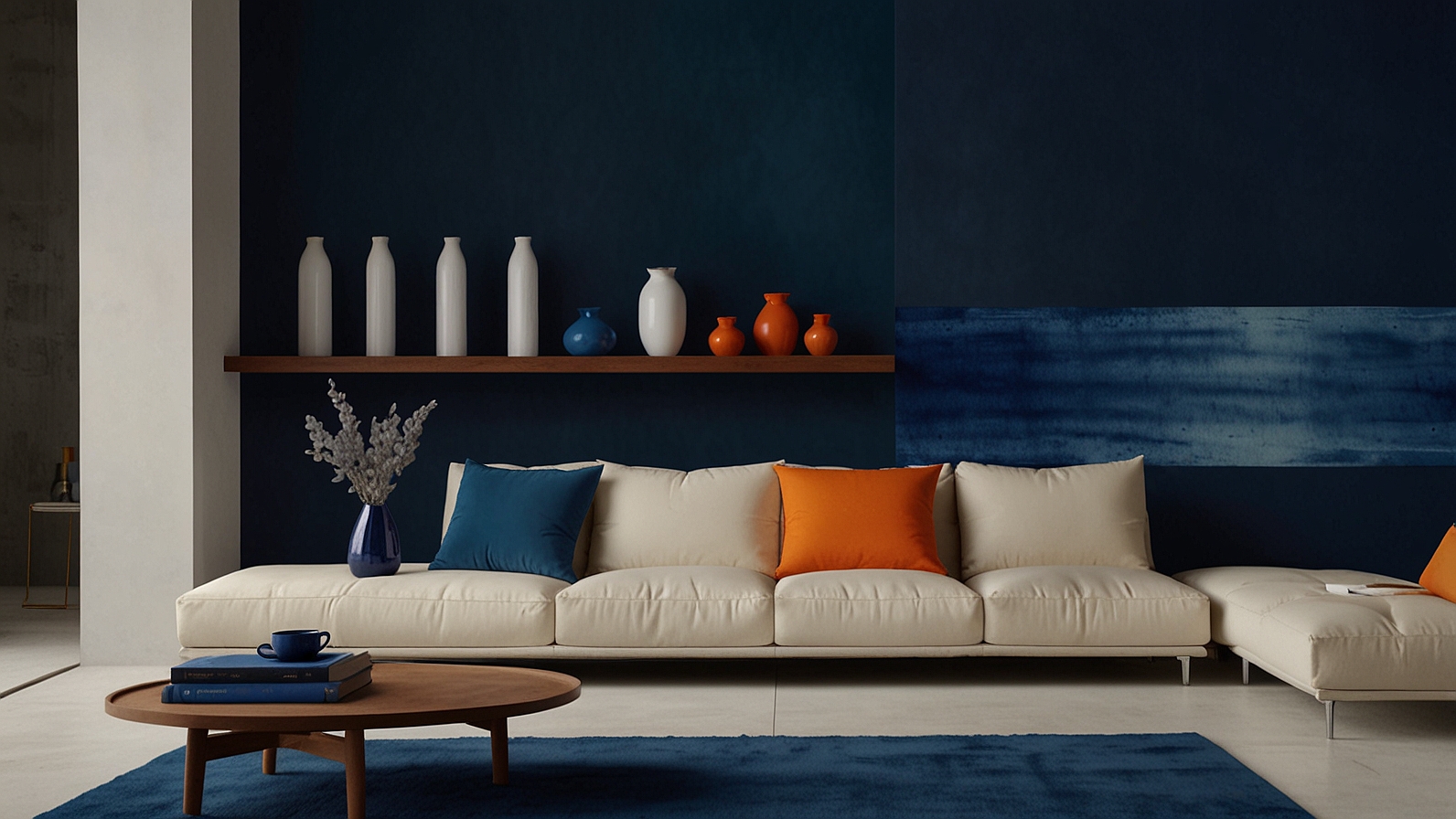
Did you know that coloration indigo, the captivating deep violet-blue hue, traces its roots back over 6,000 years to ancient Peruvian fabrics? This timeless color has dyed everything from royal garments to everyday jeans, blending mystery with everyday appeal. Let’s dive into its story and discover how you can bring this evocative shade into your own creative world.
Coloration indigo refers to the rich, deep violet-blue pigment derived from plants like Indigofera tinctoria. Imagine it as a midnight sky mixed with a hint of purple: intense yet soothing.
Artists and designers love it for its depth. In textiles, it creates lasting blues that fade beautifully over time. For interior enthusiasts, it’s a versatile accent that adds drama without overwhelming a space.
Think of coloration indigo like a trusted old friend in your palette: reliable, full of character, and ready to inspire. Whether you’re painting a canvas or picking throw pillows, this hue offers endless possibilities.
The story starts in Peru, where archaeologists found indigo-dyed cotton dating back 6,000 years. But it’s not just South America: evidence shows use in India, Egypt, and Mesopotamia around the same era.
Indigofera tinctoria, the key plant, grew wild in tropical regions. Ancient dyers fermented its leaves to extract the blue magic. In India, it became a trade staple along the Silk Road, earning the name “from India.”
Egyptians wrapped mummies in indigo fabrics for protection in the afterlife. Mayans used it in rituals, believing it connected to the divine. This natural dye wasn’t just practical: it carried cultural weight from the start.
Fast-forward to Europe: woad, a local plant, provided a similar blue until Asian indigo imports dominated. By the 1700s, colonial plantations in the Americas boosted production, though often under harsh conditions.
Indigo wove itself into global cultures like threads in a tapestry. In West Africa, Yoruba artisans created adire cloths with resist-dye techniques, symbolizing status and storytelling.
Japanese aizome dyeing turned indigo into an art form for kimonos and noren curtains. Samurai wore indigo under armor for its supposed healing properties against wounds.
In colonial America, indigo became “blue gold” in the South, fueling economies but tied to exploitation. Think of it as the original luxury item: only the elite could afford its vibrant depths.
Today, indigo lives on in denim, thanks to Levi Strauss in the 1870s. It’s a bridge from ancient rituals to street style, reminding us of heritage in every blue jean fade.
Natural indigo comes from plant leaves, fermented into a sludge then dried into powder. It’s eco-friendly, with plant waste composting back into soil.
Synthetic indigo, invented in 1865 by Adolf von Baeyer, uses chemicals for mass production. By 1897, companies like BASF made it affordable, collapsing natural markets.
Which is better? Natural offers subtle variations from impurities like indirubin, creating richer fades. Synthetic provides consistency and lower cost, ideal for commercial use.
But myths abound: some think synthetic lacks “soul,” yet chemically, they’re identical. Natural avoids petrochemicals, making it kinder to the planet.
Here’s a quick comparison:
| Aspect | Natural Indigo | Synthetic Indigo |
|---|---|---|
| Source | Plants like Indigofera tinctoria | Chemical synthesis from petrochemicals |
| Cost | Higher ($20-40 per 100g) | Lower ($1-5 per 100g) |
| Color Consistency | Variable, with impurities for depth | Uniform and predictable |
| Environmental Impact | Sustainable, biodegradable | Relies on fossil fuels, potential waste |
| Common Uses | Artisanal textiles, eco-friendly dyes | Mass-produced denim, jeans |
Choose based on your project: go natural for authenticity, synthetic for reliability.
Indigo stirs the soul, evoking intuition and calm. Psychologists link it to the “third eye,” promoting focus and insight during meditation.
In color therapy, it balances emotions, like a deep breath in a hectic day. It suggests wisdom and justice, ideal for spaces where you ponder big ideas.
Spiritually, indigo ties to devotion and higher knowledge. In yoga, it’s the ajna chakra color, opening doors to inner vision. Ancient texts saw it as a bridge to the divine.
For artists, it inspires creativity: think Van Gogh’s starry nights echoing indigo’s mystery. Homeowners use it to foster serenity, debunking the myth that dark blues feel cold: paired right, it’s warm and inviting.
Textiles thrive on indigo’s magic. In India, kalamkari artists hand-paint myths on indigo-dyed cloth, blending color with narrative.
West African bogolanfini mud cloths mix indigo with earth tones for symbolic patterns. Japanese shibori resist-dyeing creates intricate designs, from waves to stars.
In art, indigo pigments grace Renaissance paintings, like those at the National Gallery. Modern creators, such as Gasali Adeyemo, host workshops reviving traditional methods.
For DIY fans, indigo kits let you dye scarves or tees at home. It’s forgiving: multiple dips build deeper shades, like layering stories on fabric.
Examples abound: Levi’s jeans use synthetic indigo for that classic fade, while brands like Tatcha incorporate natural versions in skincare for soothing benefits.
Indigo fits today’s trends seamlessly. Interior designers pair it with neutrals for coastal vibes or brights for eclectic pops.
In home decor, use indigo walls in a study for focused energy. Add velvet cushions or rugs for texture: think Sherwin-Williams’ Indigo SW 6531 as a bold accent.
Artists mix indigo paints for moody abstracts, evoking Rothko’s depths. Textile enthusiasts weave it into tapestries, nodding to heritage while innovating.
For color psychology fans, indigo in bedrooms aids restful sleep. Debunk the “too dark” myth: light bounces off it beautifully in well-lit rooms.
Transition smoothly: start small with indigo vases or art prints, then expand to larger pieces.
Ready to try? Begin with accents: indigo throw blankets warm a neutral sofa.
In painting, achieve indigo by mixing ultramarine blue with a touch of violet. For deeper tones, add black sparingly.
Home decor trends favor indigo in boho styles: layer with terracotta pots and greenery for earthy contrast.
For textiles, wash indigo items separately at first to avoid bleeding: a common newbie mistake.
Bullet-point inspiration:
- Walls and Furniture: Paint an accent wall indigo for drama, or refinish a chair for a statement piece.
- Accessories: Indigo lampshades soften lighting, creating cozy nooks.
- Textiles: Curtains or bedding in indigo promote calm, like a serene ocean view.
- Art Projects: Dye old shirts indigo for custom wardrobe updates.
- Pairings: Combine with gold for luxury, or pastels for whimsy.
What’s your take? Have you used indigo in a project? Share in the comments: it might spark someone’s next creation.
In summary, embrace coloration indigo for its timeless allure. Here are 5 tips to implement today:
- Start with small accents to test the waters.
- Pair with whites for a fresh, modern look.
- Use in meditative spaces for psychological boost.
- Opt for natural dyes in eco-conscious projects.
- Experiment with fades for personalized art.
You May Also Like: Jememôtre: A Beginner’s Guide to Understanding Its Significance
What makes coloration indigo unique compared to other blues?
It’s a deep violet-blue with historical roots, offering versatility in dyes and paints unlike lighter blues.
How do I tell natural from synthetic indigo?
Natural has subtle variations from plant impurities, while synthetic is uniform: check labels or test fades.
Is indigo good for small spaces?
Yes, but use sparingly as accents to avoid overwhelming: it adds depth without closing in.
Can I use indigo in painting without it dominating?
Absolutely: mix with whites for softer tones, or layer thinly for subtle effects.
What’s the spiritual link to indigo?
It symbolizes intuition and wisdom, often tied to the third eye in practices like yoga.
How has indigo influenced fashion?
From ancient robes to modern denim, it represents durability and style across cultures.
Does indigo fade over time?
Yes, especially natural versions, creating beautiful patinas in textiles and art.